

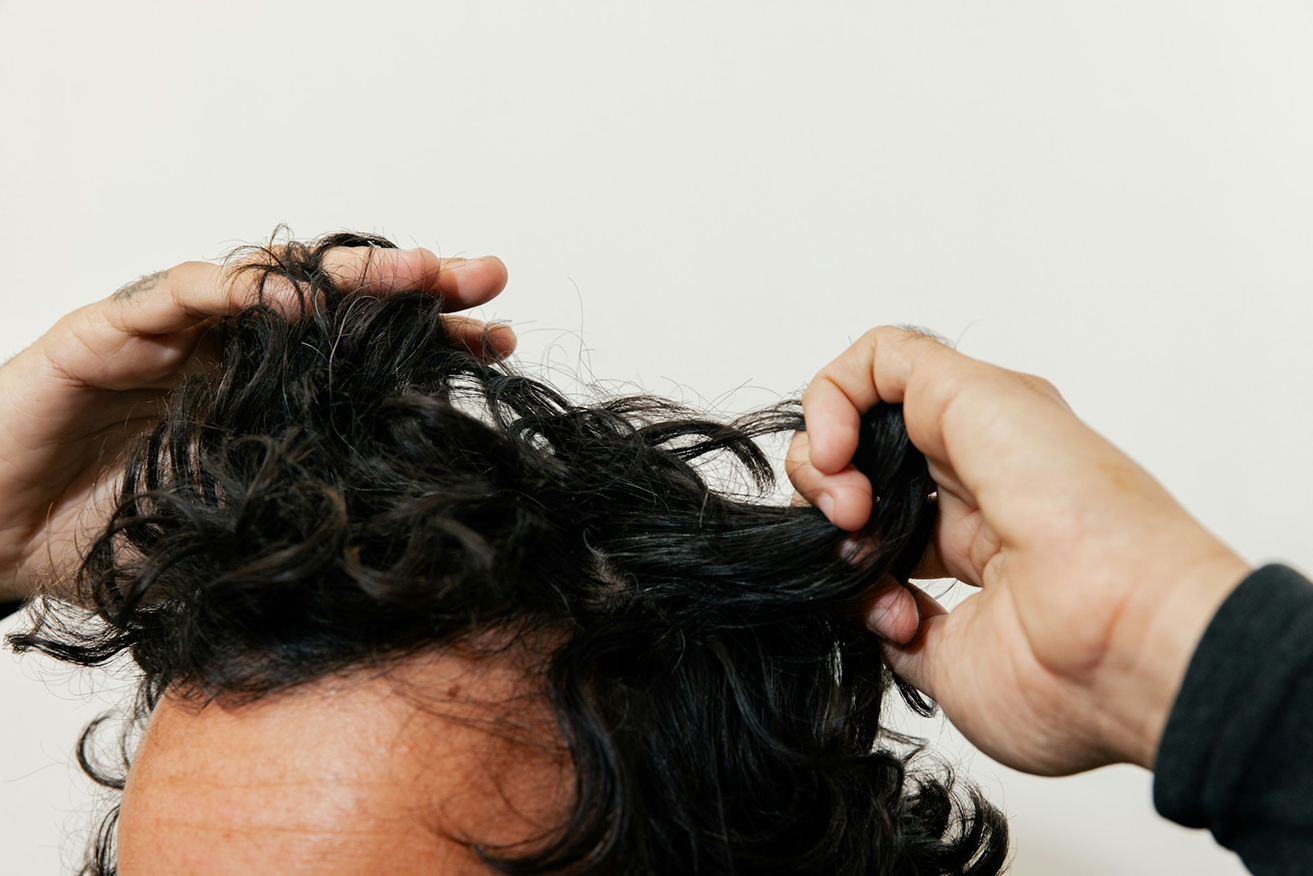



Our hair transplant techniques
To achieve a natural and dense result, our specialists always take into account your hair quality and the density of the donor area. It takes a great deal of experience and skill to place the hair follicles at the correct angle and direction. Gone are the days of unnatural hairlines (hair plugs) and scar-forming FUT hair transplants. Today, we use modern, microsurgical techniques.
FUE hair transplant (the FUE method)
The most common and tried-and-tested method. Each hair follicle (graft) is individually extracted from the back of the head using a micro-tool and transplanted to the thinning area. Sapphire FUE is often used, where incisions are made with a sapphire blade for extreme precision and faster healing following your FUE procedure.
DHI hair transplant (the DHI method)
A DHI (Direct Hair Implantation) procedure is performed using a so-called Choi pen. The hair follicle is extracted and implanted directly into the recipient area in a single step, resulting in a high survival rate and maximum density.
Beard transplants and eyebrow transplants
The same sophisticated microsurgery is used to fill in a sparse beard or reshape thin eyebrows.
Hair transplant without shaving (No-shave method)
Many people prefer a procedure that does not involve shaving the entire head. Depending on the extent of the procedure, we can offer hair transplants without shaving (no-shave), whilst larger procedures require a full-shave hair transplant to ensure maximum safety and visibility.
PRP hair treatment
PRP hair transplantation involves injecting the patient’s own blood plasma into the scalp to stimulate growth in the new hair follicles and slow down further hair loss.
A clinic full of expertise
Choosing a clinic for a hair transplant is a major decision. Many people consider a low-cost hair transplant abroad (such as a hair transplant in Turkey) because of the price. At The Faculty in Sweden, however, we offer unrivalled medical safety, no language barriers and reliable aftercare and follow-ups in Sweden. Our practice is underpinned by medical safety and transparency, so that you feel completely at ease ahead of your hair transplant in Sweden.
Cost of a hair transplant
How much does a hair transplant cost? Your exact cost depends on the size of the area to be treated and the total number of grafts required. Our prices are all-inclusive.
Hair transplant price (FUE / DHI)
45 000
Beard transplant price
35 000
Eyebrow transplant
25 000
PRP treatment (per session)
4 000
Consultation
600

Consultation before your operation
The first step is a consultation with a hair transplant specialist. You can choose whether to book an online appointment or meet us in person at the clinic. During the consultation, you will receive medical information about the risks, current waiting times and which techniques are best suited to you.
You will receive a personalised treatment plan tailored to your body.

Hair transplant
Step by step
To ensure you feel confident and well prepared, we have a clear and reliable process in place, from your first visit right through to your final follow-up appointment. Here, we provide an overview of how a hair transplant with us works, from start to finish.
Consultation
Medical assessment and choice of method
We will assess your hair loss and discuss hair transplantation, taking into account your age and genetic factors, and help you choose the right method.
Before your procedure
Preparing for a safe operation
You will be given instructions on hygiene and stopping smoking (at least two weeks before and after) to maximise the survival of the hair follicles.
The day of the operation
Safe care at the clinic
You check in at the clinic and meet the hair transplant team. Pain during the hair transplant is minimal as the entire scalp is numbed with a local anaesthetic. The surgeon first extracts the hair follicles and then transplants them. The procedure usually takes 6–8 hours.
After the operation
Awakening and initial rest
After resting for a while in the ward, you will be able to go home. You will be given clear written instructions on how to care for the transplanted area, as well as a date for your follow-up appointment.
Recovery & healing
Self-care and convalescence guidelines
Recovery after a hair transplant is important. You should sleep with your head elevated for the first few nights. You should avoid physical exertion and direct sunlight for several weeks.
Monitoring & results
Medical check-up and final assessment
A follow-up appointment for a wound check and washing instructions will take place in a few days. We will monitor your progress with regular follow-up appointments during the first year.

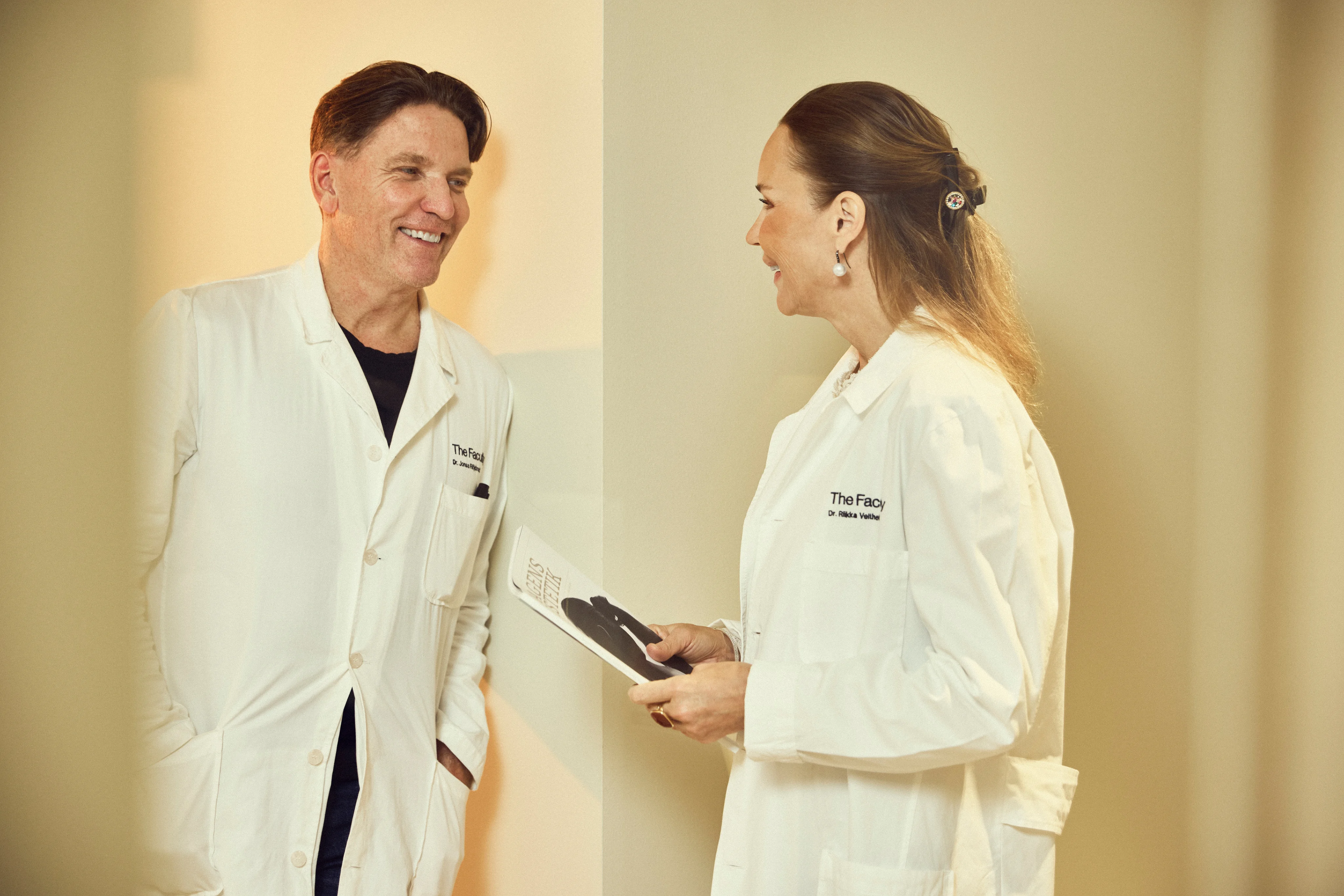
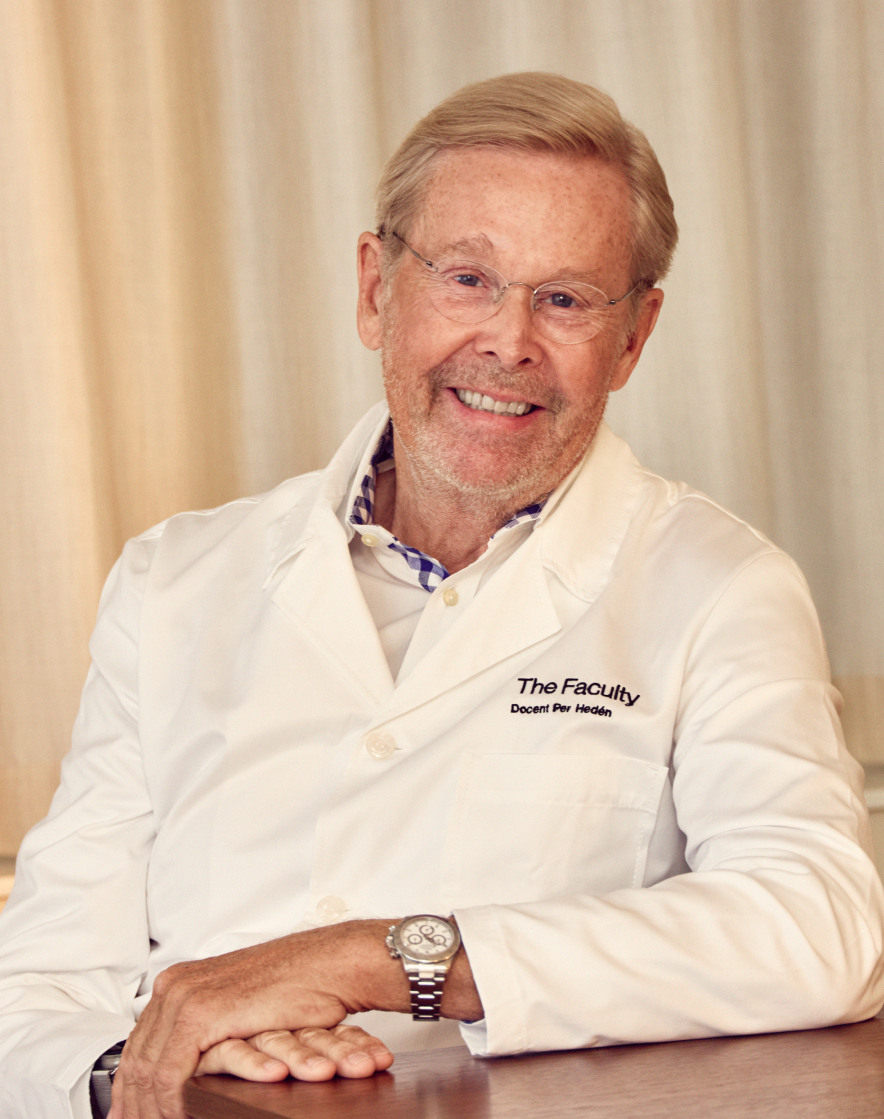
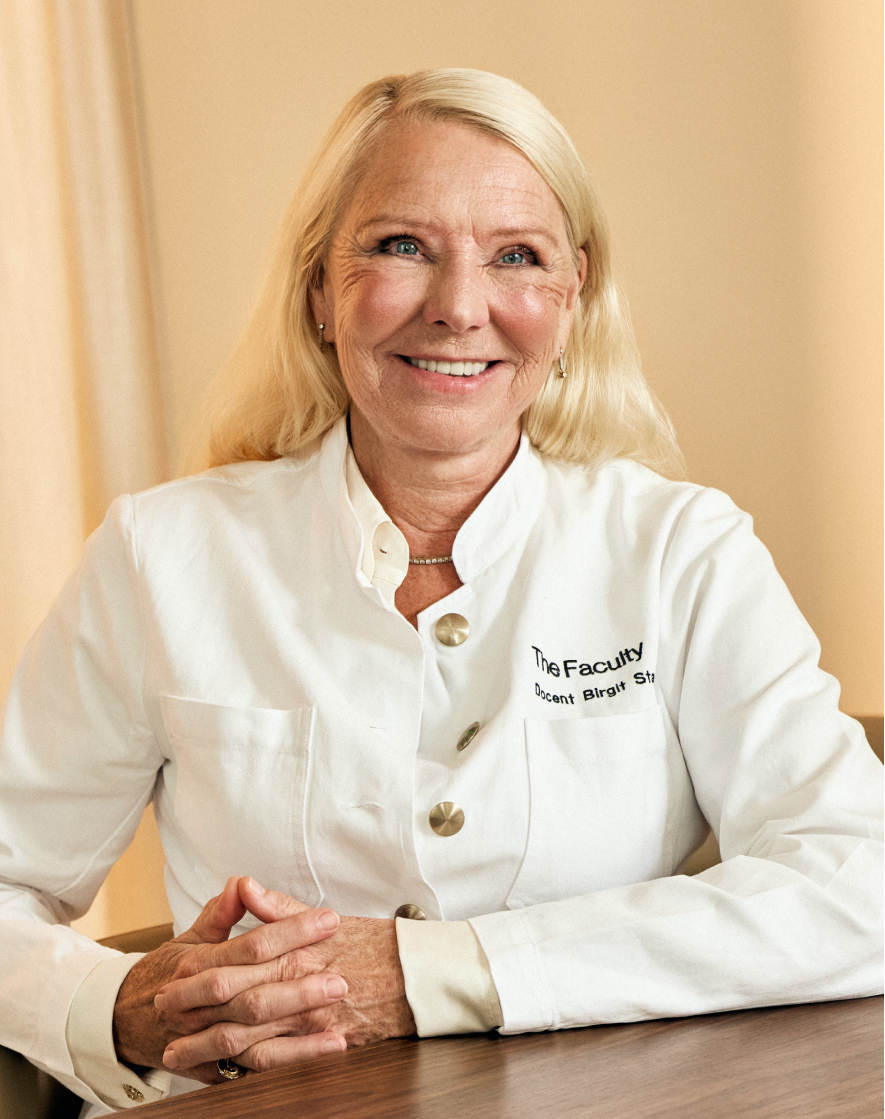
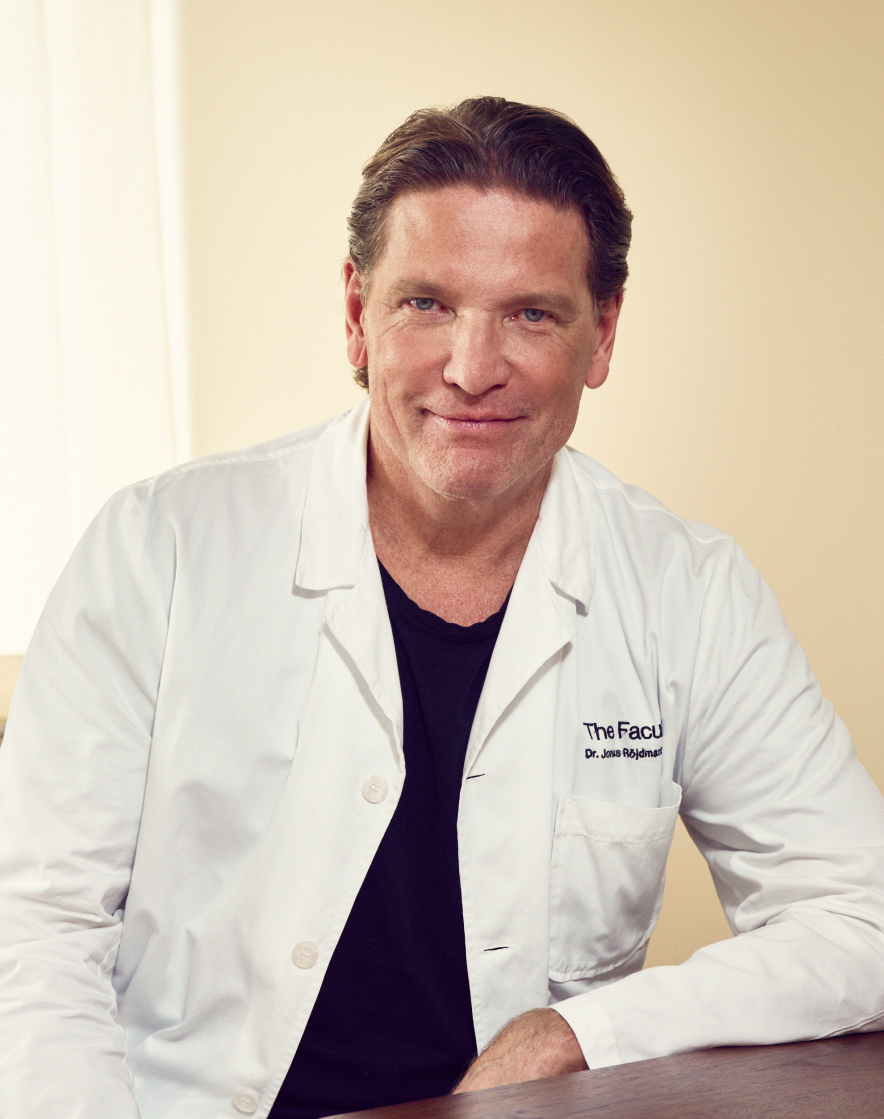
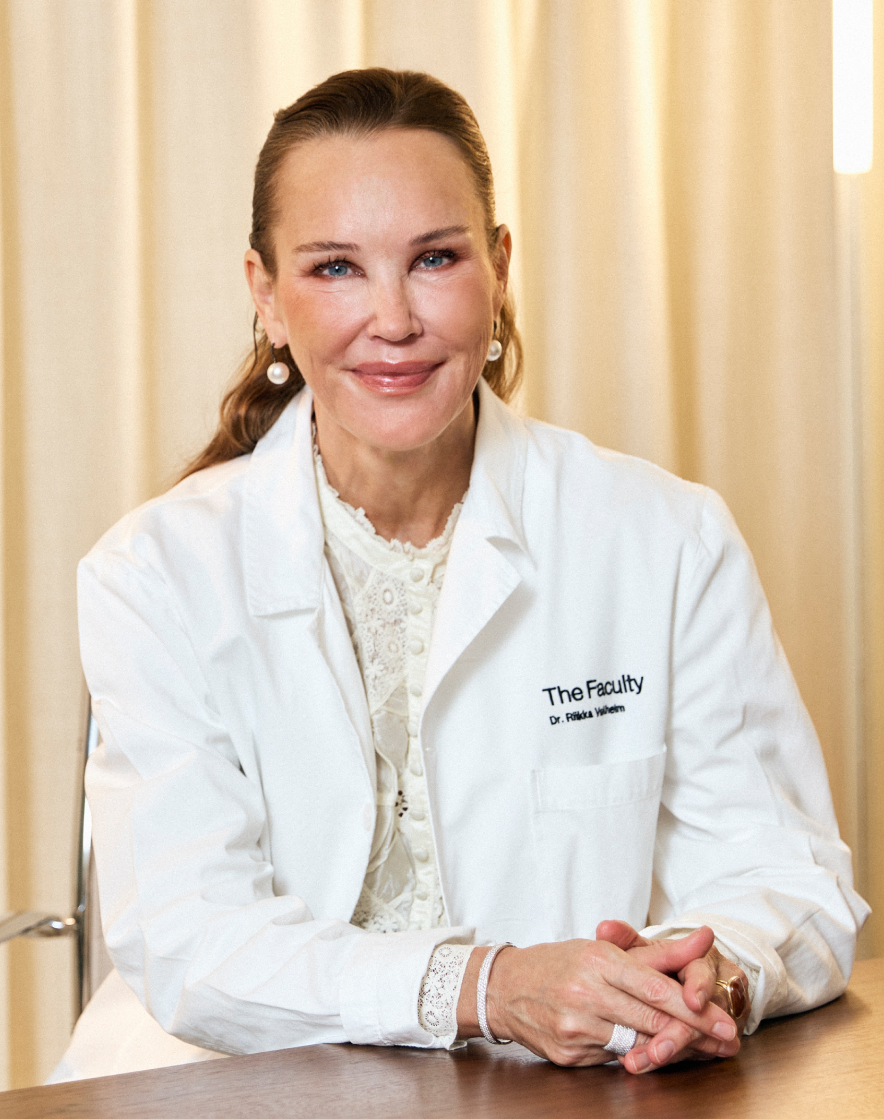
Our hair transplant specialists
At The Faculty, procedures are carried out by highly specialised teams with extensive clinical experience. Hair transplants for men are the most common, but we frequently perform hair transplants for women as well. To undergo surgery, you must be at least 18 years old, in good health and have a sufficiently dense donor area (usually at the back of the head) from which to harvest hair follicles for transplantation.
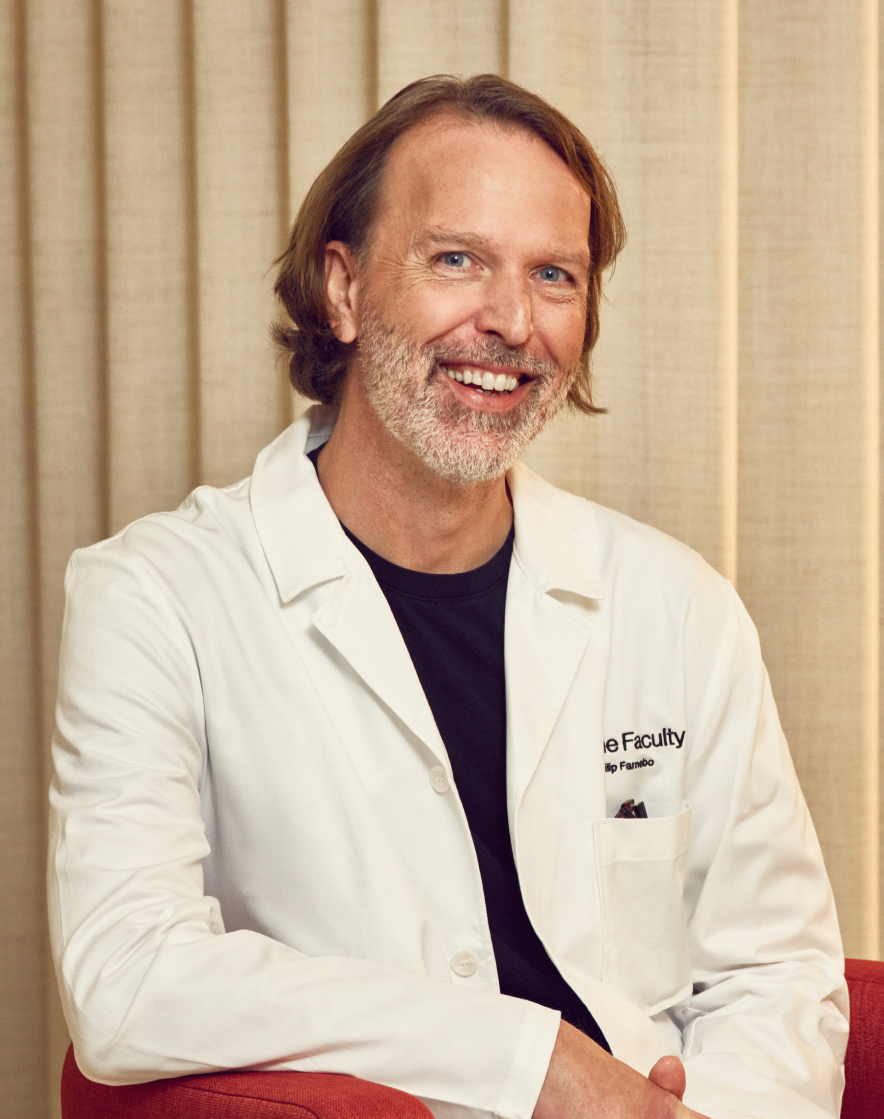
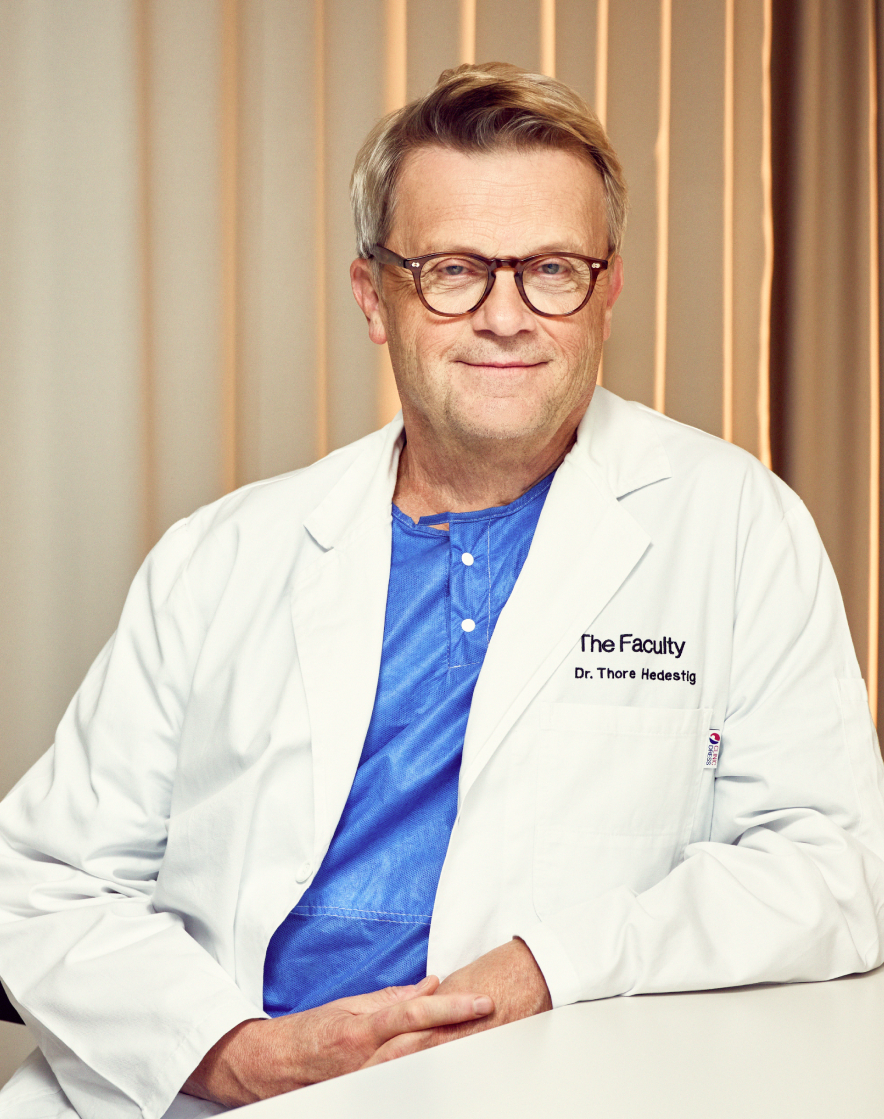
Who is eligible for the procedure?
To be a suitable candidate for hair surgery with us, you must be at least 18 years old and in good general health. A crucial medical factor for a successful procedure is that you have a sufficiently dense donor area (usually at the back of the neck or the back of the head) so that we can harvest the hair follicles needed to cover the thinning area.


Our clinics
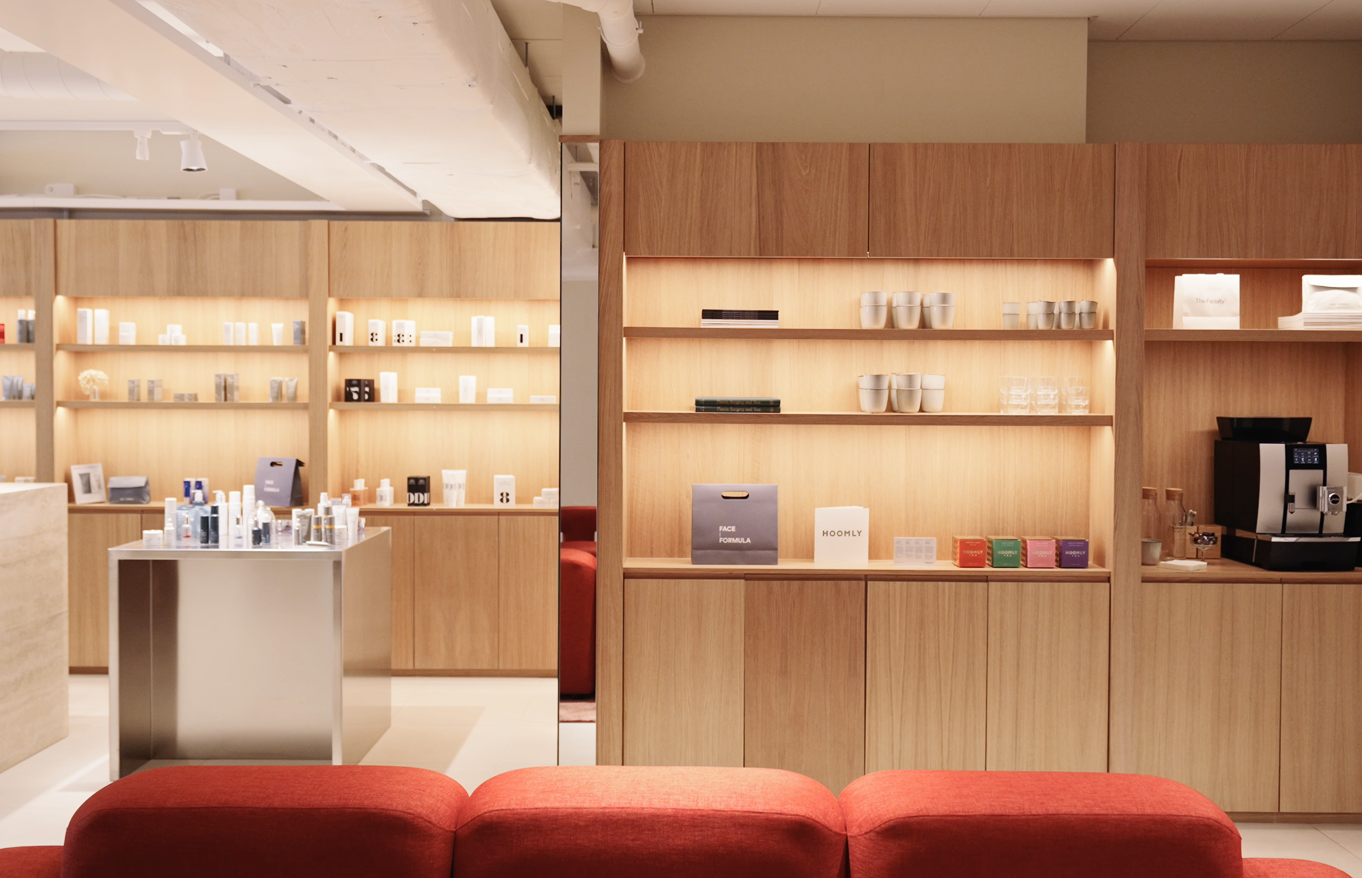
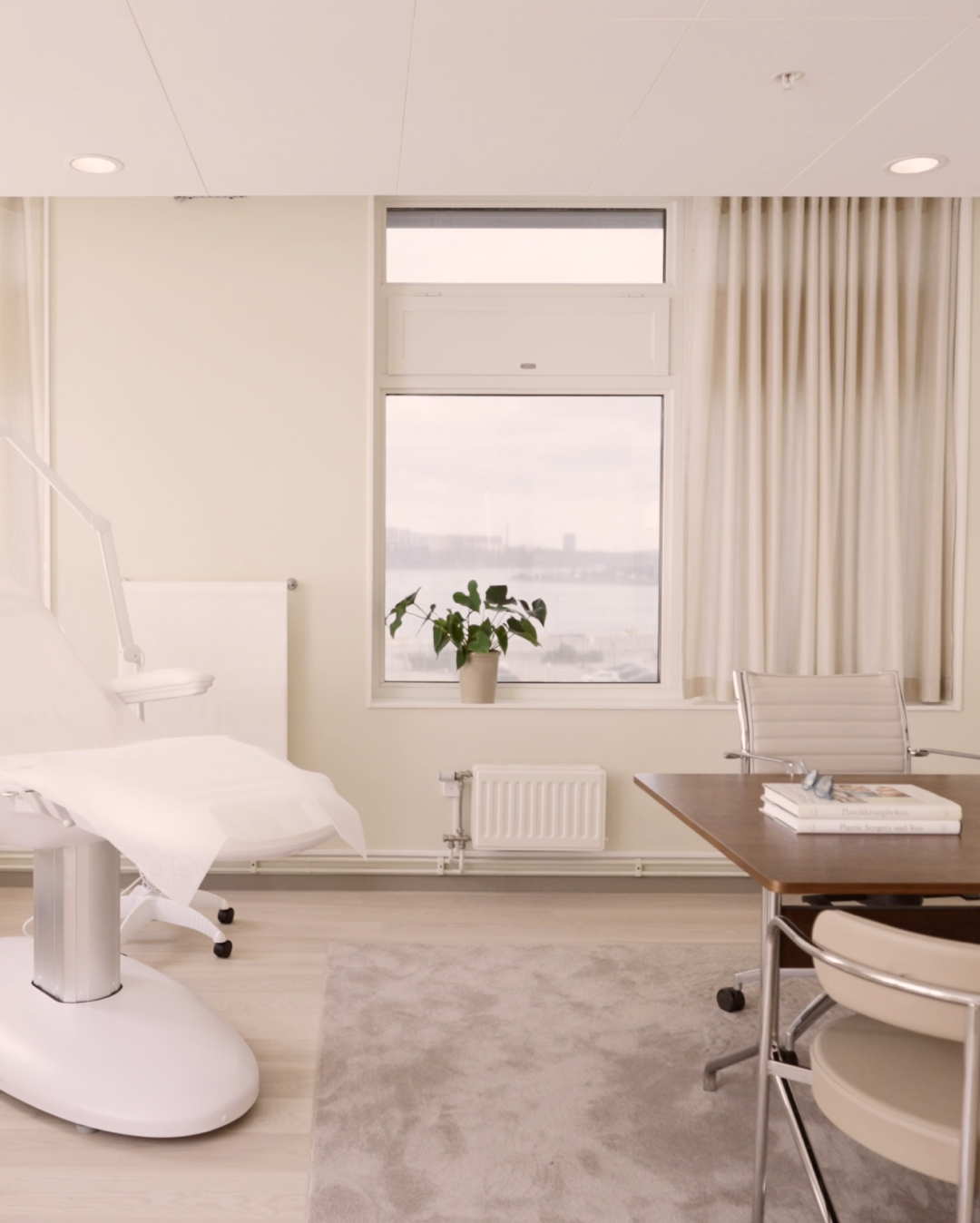
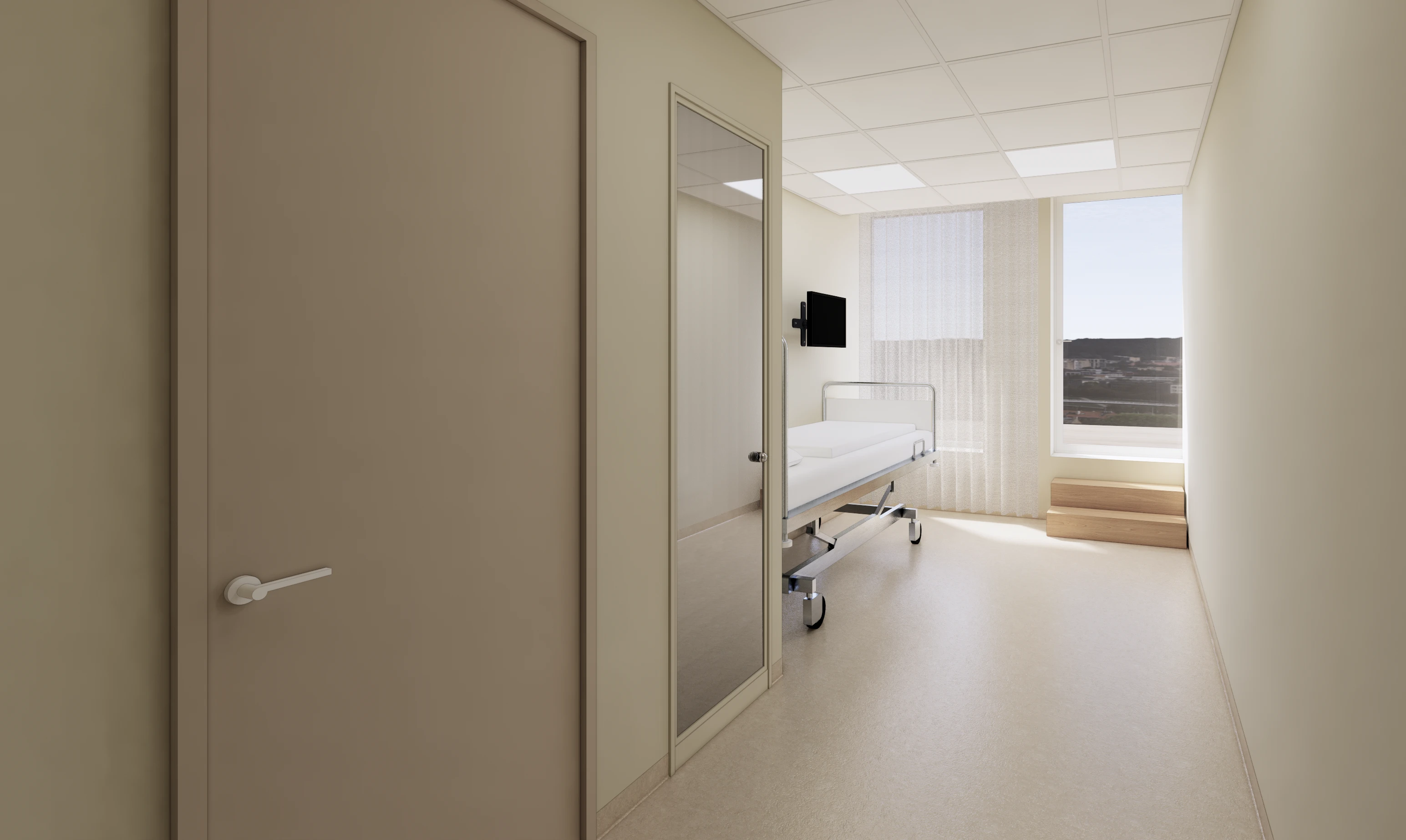
The Faculty combines medical safety with a welcoming environment. Our state-of-the-art clinic at Hangövägen 20 is one of the few plastic surgery clinics in Sweden that is built to proper hospital standards. For skin care and injection treatments, you are welcome to visit our walk-in clinic at Humlegårdsgatan 14 in central Stockholm. All operations are based on medical expertise and proven experience to offer a safe process from the first visit to the last follow-up.

Payment guarantee and insurance
We make sure you are clearly informed about all aspects of your procedure and what is included in the cost of your tummy tuck surgery. For your absolute peace of mind, you are always covered by patient insurance. Whether your treatment plan includes classic liposuction, gentle VASER liposuction or a combination with laser skin tightening/Renuvion, we offer safe guarantees that cover your medical care and follow-up. For those who wish to finance their surgery in Stockholm, we also offer flexible instalment payment solutions.
Articles & news



Frequently asked questions about hair transplants
Here we have compiled a list of frequently asked questions about hair loss and hair transplants
What is the difference between FUE and DHI?
In FUE (Follicular Unit Extraction), small incisions (channels) are first made in the skin before the hair follicle is manually placed using tweezers. In DHI (Direct Hair Implantation), a Choi pen is used to both create the hole and implant the hair follicle in a single, simultaneous step. Both methods produce excellent results, but DHI sometimes allows for a denser placement without shaving the head.
Hair transplants in Turkey – why should I choose Sweden?
Having surgery abroad may seem like a cheap way to get a hair transplant, but it carries risks in terms of inadequate patient safety, language barriers and a lack of follow-up should complications (such as infections) arise once you return home. In Sweden, we are subject to strict health and medical care laws, which guarantee your medical safety.
Does a hair transplant hurt (hair transplant pain)?
No, the procedure itself is painless. The only thing you might feel is the prick of the needle when the local anaesthetic is injected into the scalp before the operation. After that, the area goes completely numb, and many patients watch a film, listen to music or sleep during the procedure.
Is hair transplantation possible for women?
Absolutely. Women also suffer from hair loss, often along the central parting or at the temples. We regularly perform hair transplant surgery on women, achieving very natural, dense results, often using techniques that do not require the head to be completely shaved.
How many grafts do I need (number of grafts for a hair transplant)?
It depends entirely on the size of the area where your hair is thinning. To fill in normal receding hairlines, a hair transplant of 1,500 to 2,000 grafts is often sufficient. To cover both receding hairlines and a bald crown, a hair transplant of 3,000 grafts or more may be required, sometimes spread over two surgical sessions.
Is it possible to have a hair transplant without shaving?
Yes, depending on the method used and the size of the area, we can often carry out the procedure with partial shaving (shaving the nape of the neck), where we only shave a small ‘opening’ at the nape of the neck, which is then concealed by the longer hair above. The area where the hair is to be transplanted sometimes does not need to be shaved at all.
Will hair transplant scars be visible?
With the FUE and DHI methods, a micro-punch is used that is only between 0.6 and 0.9 millimetres in diameter. This leaves only tiny, pinpoint scars on the back of the neck (the donor area) which heal incredibly well and are invisible even to most hairdressers, as long as you don’t shave the back of your neck completely with a razor.

