


Our methods for removing pigmentation spots
To achieve a more even skin texture, we carry out a clinical assessment to determine which technology is best suited to your skin type. We primarily use advanced light- and laser-based techniques to effectively break down excess melanin (pigment) in the tissue.
IPL pigmentation spots (Intense Pulsed Light)
A highly effective IPL treatment for pigmentation marks, designed to tackle light pigmentation marks on the face and general sun damage. The broad-spectrum light is absorbed by the pigment in the skin, which is then heated, broken down and eventually eliminated by the body.
Laser treatment for pigmentation spots
For more pronounced, deeper age spots or individual spots, we use a specific laser (such as the fractional LaseMD). Removing pigmented spots with a laser allows for surgical precision on individual areas and isolated lentigo solaris.
Gentle approach
Whether we use IPL or laser treatment for your facial pigmentation, our specialists consistently work with precise settings that minimise thermal damage to your skin. A gentle approach is essential for avoiding unnecessary inflammation and promoting safe healing. By precisely adjusting the light’s wavelength and energy to suit your specific condition, we can remove age spots on the face extremely effectively, whilst keeping the healthy surrounding tissue completely intact.

A clinic full of expertise
Treating skin pigmentation requires an in-depth understanding of skin anatomy. At The Faculty, you’ll have access to qualified skin therapists and registered doctors with extensive clinical experience in assessing and removing sunspots on the face and body. Our practice is underpinned by strict medical safety standards. We guide you through the entire process – from diagnosis and choice of method to proper aftercare – so that you feel completely confident and well-informed in your decision.
Cost of removing pigmentation spots
The cost of treating pigmentation depends on the method chosen and the size of the area to be treated. During your consultation, you will always be given an accurate and transparent quote for laser treatment of pigmentation based on your treatment plan.
Laser treatment for brown spots (small areas)
1 800
Skin rejuvenation with IPL (full face)
3 000
Lase® - Faces
6 000
Consultation
0

Pre-treatment consultation
It all starts with a consultation during which we use a skin analysis to assess your pigmentation changes. It is essential to distinguish between sun-induced lentigo solaris, hormonal melasma and other skin changes in order to determine the right treatment method. You will receive medical advice on the best-tested method for removing pigmentation spots specifically for your skin type.
You will receive a personalised treatment plan tailored to your body.

Treatment of pigmentation spots
Step by step
To make sure you know exactly what to expect, we have a very clear process from the first meeting to the final check.
Consultation
Medical assessment and choice of method
We carry out a clinical analysis of your pigmentation changes and review your medical history and skincare routine. Together, we will discuss whether IPL or a specific laser is the most medically appropriate method for your lentigo solaris. We will draw up a clear treatment plan for your face.
Before your procedure
Preparations for safe treatment
Before your treatment, it is absolutely essential that your skin is not tanned. You must not have been exposed to direct sunlight or used self-tanning products in the weeks leading up to the treatment. This minimises the risk of burns and ensures that the laser targets only the unwanted pigment.
The day of treatment
Safe care at the clinic
At the clinic, your skin will be thoroughly cleansed. During an IPL treatment, a cooling gel is applied to the area. The actual session for laser treatment of pigmentation spots is often quick, usually lasting between 15 and 30 minutes, depending on how many age spots are to be treated.
Recovery & healing
Self-care and convalescence guidelines
The darkened patches will gradually move up towards the skin’s surface and naturally flake off after about one to two weeks (like fine, coffee-ground-like grit). You must not pick at the skin under any circumstances! During this phase, SPF 50 is an absolute must when outdoors.
Monitoring & results
Medical check-up and final assessment
The final result is assessed once the skin has fully recovered. If necessary, we will book further sessions, as a complete facial pigmentation treatment often requires a course of two to three sessions to fully even out deep-seated pigmentation.

Our specialists
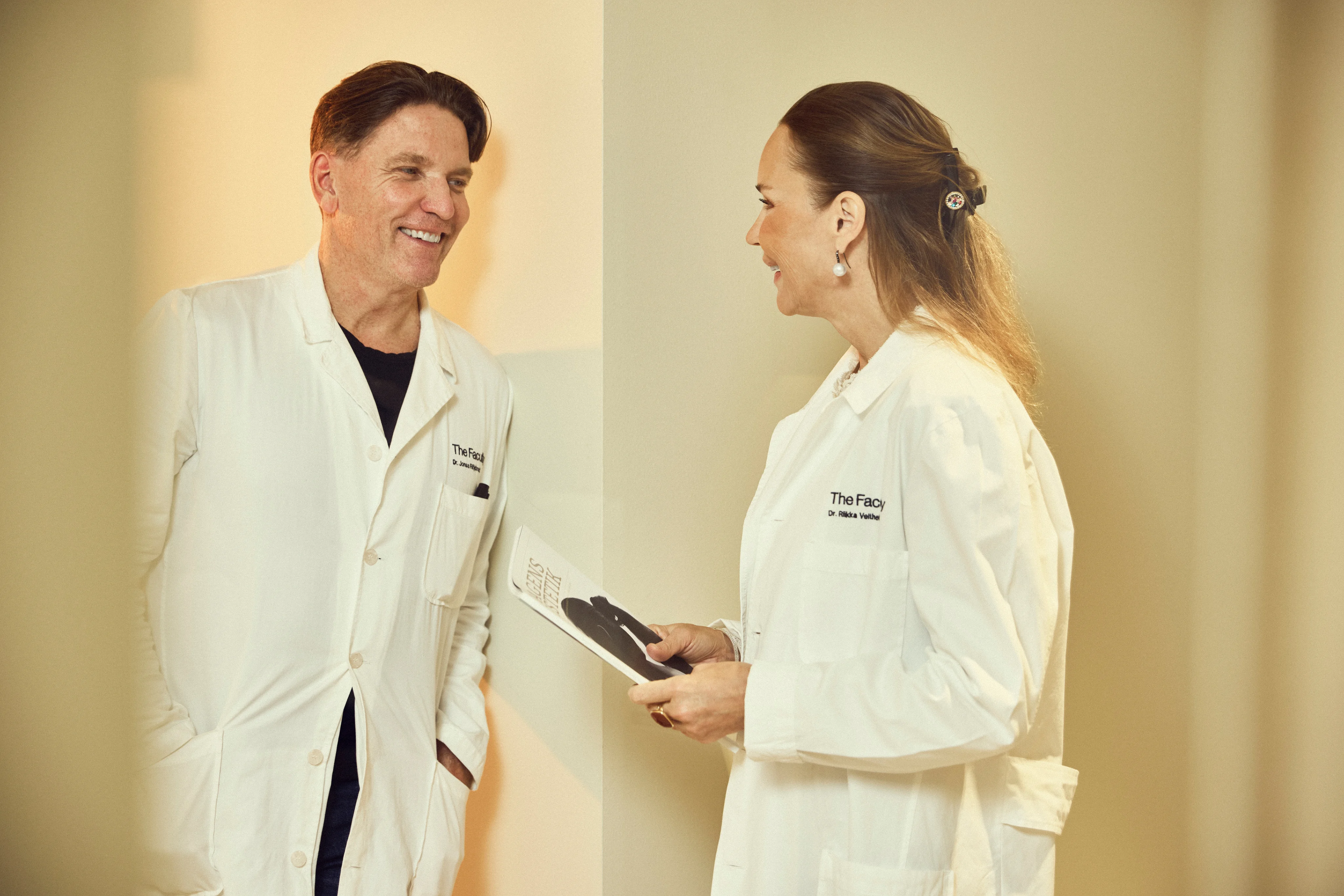
At The Faculty, a hand-picked team of qualified skincare therapists, nurses and doctors with cutting-edge expertise in dermatology and laser treatments work together. Identifying and removing pigmentation spots on the face requires a high level of diagnostic skill. Before treatment begins, it is essential to distinguish between benign age spots and skin changes that require medical investigation, which is fundamental to your safety.







Who can treat pigmentation spots?
You must be over 18 years of age to undergo the treatment. Many people have questions about pigmentation spots on the face during pregnancy; however, we do not carry out any laser or IPL treatments during pregnancy or while breastfeeding due to the hormonal fluctuations in the body. The technique is best suited to fair to medium skin types (Fitzpatrick I–III) where there is a high contrast between the skin and the pigment. Darker skin types are at a higher risk of heat-induced hyperpigmentation, which is why we carry out an extremely rigorous medical assessment before a treatment is approved.


Our clinics
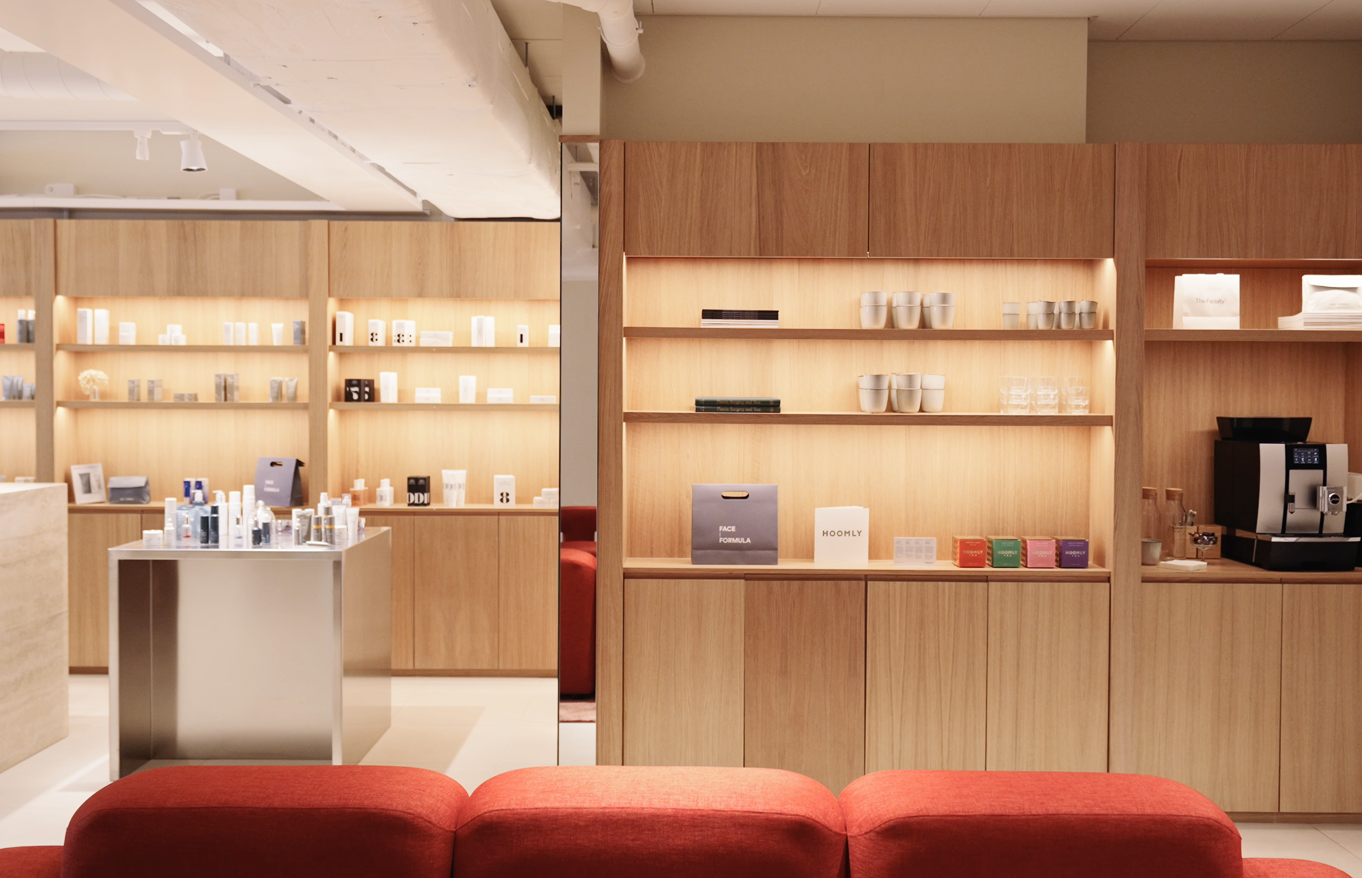
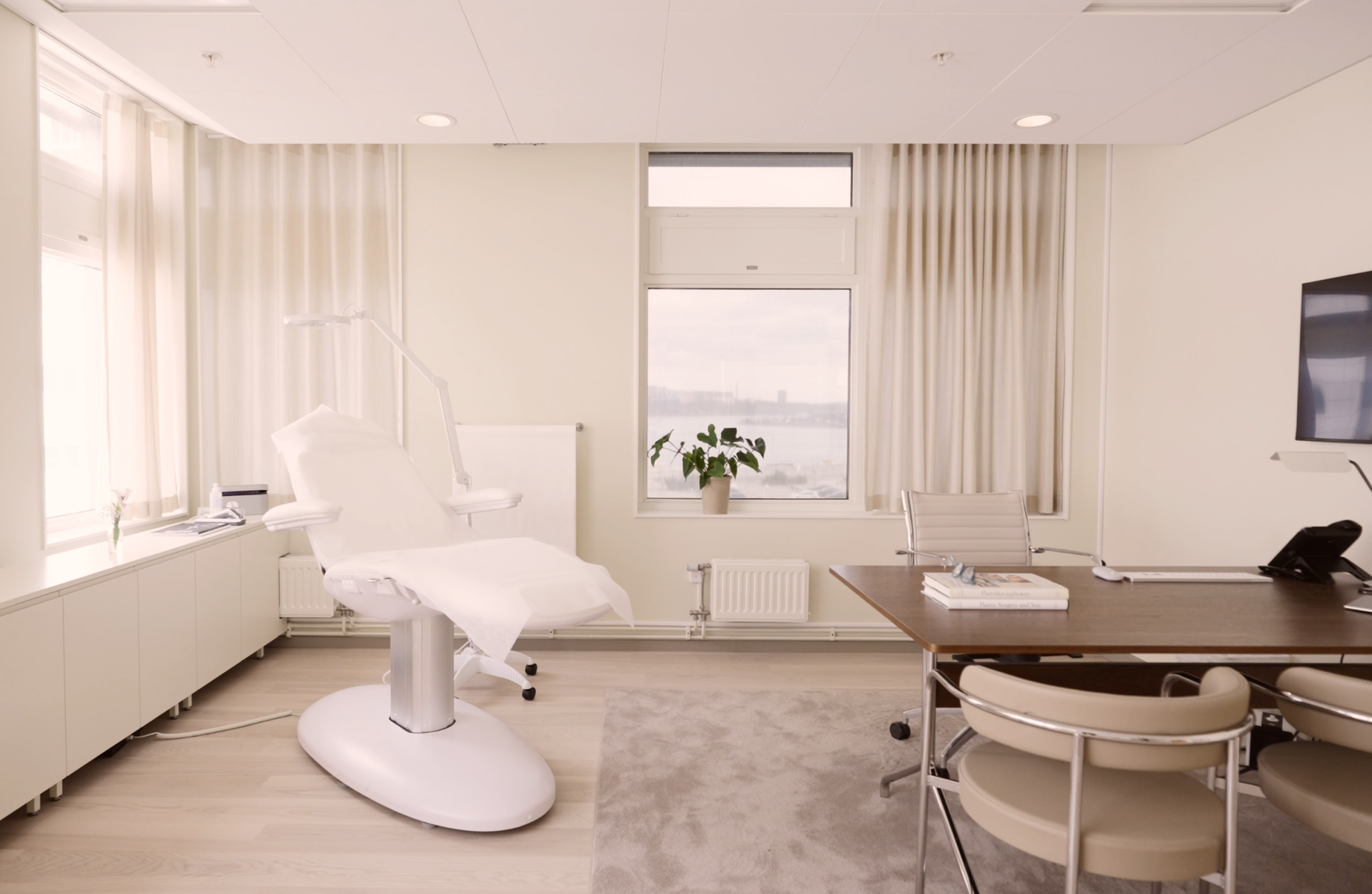
Hos The Faculty möter medicinsk expertis en omhändertagande atmosfär. På Hangövägen 20 finner du vår specialistanpassade klinik, utformad för att möta mycket stränga kliniska krav på hygien och säkerhet. För injektionsbehandlingar och hudvård tar vi emot dig på vår walk-in-klinik på Humlegårdsgatan 14 på Östermalm. Vår verksamhet genomsyras av ett vetenskapligt förhållningssätt och lång erfarenhet, vilket skapar en säker och transparent behandlingsresa.


Payment guarantee and insurance
We are committed to transparency regarding the cost of your laser treatment for pigmentation spots. The quoted price always includes your treatment at the clinic. You are, of course, covered by our patient insurance during your visit. For those who wish to spread the cost of their treatment course, we offer secure financial solutions through our partners.

Articles & news



Frequently asked questions about pigmentation spots
Frequently asked questions and answers about pigmentation spots
Can you remove pigmentation spots at home?
Removing pigmentation spots at home using home remedies or unregulated acids is not recommended. This risks burning the skin and causing permanent scarring or severe hyperpigmentation. Instead, use medically proven skincare products as a complementary treatment under the guidance of a skin therapist.
Does it hurt to remove sunspots with a laser?
The experience varies from person to person, but most people describe IPL and laser treatments as brief, warm flicks against the skin, similar to a rubber band snapping. It feels warm for a moment but is over very quickly. If necessary, we can apply a numbing cream prior to more intensive laser treatments.
Can I remove pigmentation spots on my hands?
Yes, the hands are one of the most common areas we treat, as they are constantly exposed to the sun over the years. Removing pigmentation spots on the hands using IPL or LaseMD is a highly effective and well-established method.
What is the best sunscreen for the face if you have pigmentation marks?
The very best sun protection for facial pigmentation spots is a broad-spectrum medical-grade sunscreen with an SPF of at least 50, which blocks both UVA and UVB rays. This must be applied in an even layer every day, all year round, to prevent existing spots from darkening and new ones from forming.
How many IPL treatments are needed to remove pigmentation spots?
The number of sessions varies considerably depending on the depth and age of the spots. For very superficial lentigo solaris, one or two treatments may be sufficient. For deeper pigmentation, a course of two to four sessions, spaced a few weeks apart, is often required to achieve the best results.
Which cream is best for removing pigmentation spots?
A cosmetic cream designed to remove pigmentation marks is rarely able to completely eliminate age spots on its own. However, we use medical skincare (such as products containing tyrosinase inhibitors, retinol or vitamin C), which are highly effective at reducing melanin production and preventing recurrence.
Do you treat white pigment spots on the face?
White pigmented patches on the face (hypopigmentation) occur due to a lack of pigment, unlike brown patches, which are caused by an excess of melanin. White patches are therefore not treated with IPL or pigment lasers, but require a separate assessment to determine whether other skin-structuring methods are appropriate.
