








Our methods for cheekbone fillers
To achieve a natural-looking and anatomically balanced result, our practitioners use only high-quality, well-researched hyaluronic acid. We tailor the amount and placement to suit your individual circumstances and goals.
Cheekbone fillers: 0.5 ml to 1 ml
For those who are looking for a very subtle enhancement, or who already have well-defined cheekbones where we only need to make a minor adjustment, we often use 0.5 ml or 1 ml of cheekbone filler, distributed evenly between both sides.
Cheekbone fillers, 2 ml
For patients who have lost volume over time, or who wish to achieve a distinct, sculpted lift across the entire midface, a larger volume is often required; for example, 2 ml of filler for the cheekbones (usually 1 ml per side).
Volume in the mid-face (cheek fillers)
If the problem is sunken cheeks rather than a lack of cheekbones, the product is injected more gently into the tissue of the cheeks themselves (cheek fillers) to restore a youthful fullness.
Gentle technology and medical precision
Whether the aim is a subtle hydration boost or a more noticeable increase in volume, our injection specialists use refined techniques that minimise tissue trauma. By using microscopically thin needles or blunt cannulas, we work with the utmost care. A precise approach is absolutely crucial to reducing bleeding, minimising swelling and bruising, and ensuring that the filler is integrated into exactly the right layer of tissue for a smooth and long-lasting result.

A clinic full of expertise
Administering injections to the face, particularly in the mid-face area where important blood vessels and nerves run, requires a thorough understanding of anatomy. At The Faculty, your medical safety is always our top priority. Our practice is characterised by clinical expertise, sterile environments and an open, honest dialogue. You can feel completely safe when you undergo your injection treatment with us.
Price for cheekbone fillers
We are often asked about the cost of cheekbone fillers and how many millilitres are required. Your exact price for cheekbone fillers (or cheek fillers) will be determined during the consultation and is based on the amount of hyaluronic acid required for your facial structure.
No treatments matched your search.
-
Book
Filler aesthetic
from 4,900 SEKAn aesthetic filler treatment performed by a doctor, where the proportions of the entire face are assessed before the product is placed. The price is per syringe.
Read more about the procedure

Consultation prior to your injection treatment
The first step is a consultation with one of our injection specialists. You can choose whether to book a virtual appointment or meet us in person at the clinic. During the appointment, you will receive medical information about risks, current waiting times, and which techniques and volumes are best suited to you. You will receive a specific treatment proposal based on your facial anatomy.
After the consultation, you have a statutory cooling-off period of at least 48 hours (which applies to aesthetic injection treatments) to allow you to decide in your own time whether you wish to give your consent.

Injection into the cheekbones
Step by step
To ensure you feel confident and well prepared, we have a clear and reliable process in place, from your first visit right through to your final follow-up appointment. Here, we provide an overview of how a cheekbone injection is carried out at our clinic, from start to finish.
Consultation
Medical assessment and choice of method
Your practitioner will carry out a thorough clinical assessment of your bone structure, skin elasticity and the volume of your fat deposits. We will discuss your expectations openly, determine the exact dosage (how many millilitres are required) and go through your health declaration.
Preparations
Preparations for safe injection therapy
We begin by checking that you have not taken any blood-thinning medication (such as paracetamol or omega-3) in the last few days, as this increases the risk of bruising. Your face is then thoroughly cleansed and disinfected with chlorhexidine to ensure a completely sterile working area.
The treatment
Safe care at the clinic
In most cases, we use a blunt cannula (microcannula) instead of a traditional sharp needle. This means we make only a microscopic puncture in the cheek, from which the cannula can gently glide under the skin without damaging tissue or blood vessels. The filler, which contains a local anaesthetic (lidocaine), is placed deep down towards the cheekbone for a defined lift, or more gently into the cheek’s fat pad to add volume. The injection itself usually takes 15–30 minutes.
Recovery & healing
Self-care and convalescence guidelines
It is essential that you do not touch the piercing sites with unwashed hands and that you avoid wearing make-up for at least 12 hours to minimise the risk of infection. To minimise swelling, you should avoid intense and heart-rate-raising exercise, alcohol, saunas and extreme cold for the first 48 hours. We also recommend that you sleep on your back with your head slightly elevated for the first few nights.
Monitoring & results
Medical check-up and final assessment
The hyaluronic acid needs time to attract moisture and integrate naturally with your own tissue. After around 14 days, any initial swelling will have subsided, and it is only then that the final, anatomically balanced result can be fully assessed during a follow-up appointment.


Our specialists in injections
At The Faculty, all filler treatments are carried out exclusively by qualified doctors and qualified injection nurses. Building volume in the mid-face requires in-depth clinical knowledge to avoid over-treatment and creating an unnatural appearance. Our specialists are highly experienced in this type of advanced facial contouring.



Who can undergo the treatment?
To undergo injection treatment, you must be over 18 years of age. We do not treat people who are pregnant or breastfeeding. During the consultation, a thorough health assessment is carried out to rule out active infections in the area, uncontrolled autoimmune diseases, and to provide information on how blood-thinning medication can affect bruising.



Our clinics
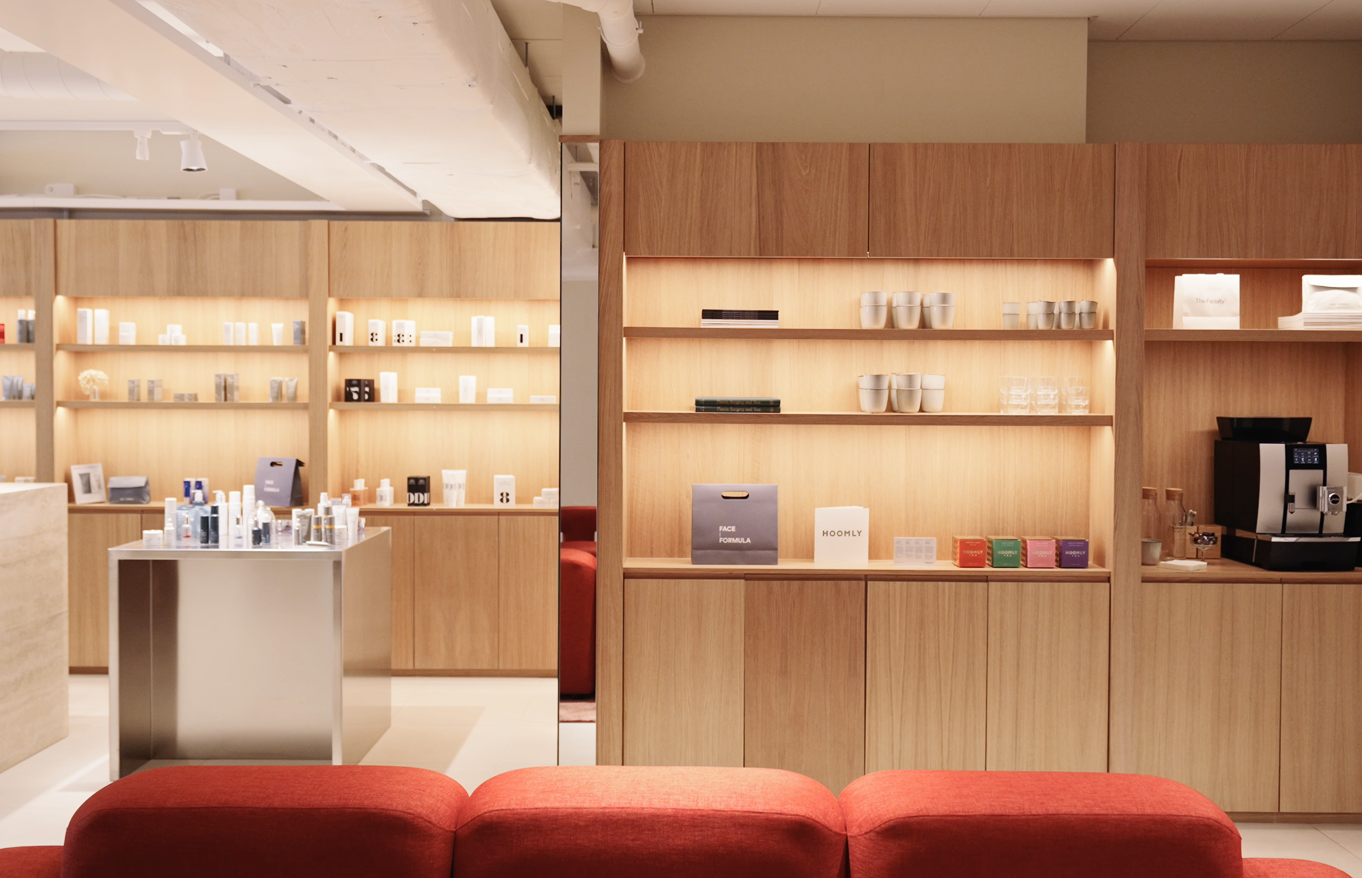
At The Faculty, medical expertise meets a welcoming atmosphere. At Hangövägen 20, you will find our custom-built clinic, designed to meet strict clinical standards for hygiene and safety. For injection treatments and skincare, we welcome you to our walk-in clinic at Humlegårdsgatan 14 in Östermalm. Our practice is guided by a scientific approach and extensive experience, creating a safe and transparent treatment journey.


Payment guarantee and insurance
Choosing to undergo an aesthetic surgical procedure or an injection treatment is a personal decision, and at The Faculty, we value complete transparency by always providing a clear and itemized price quote during your consultation. For your peace of mind, you are covered by comprehensive patient insurance as well as an extended warranty period during the healing process. For those who wish, we also offer financial guidance regarding installment options—as a flexible choice entirely separate from the medical assessment.




Frequently asked questions about fillers
Here we have compiled some frequently asked questions about cheek and cheekbone fillers
How long do the results last (how long do cheekbone fillers last)?
As the filler is injected deeply into a bone where muscle activity is relatively low, the results last a very long time. The results usually last between 12 and 18 months, sometimes longer, before the body naturally and gradually breaks down the hyaluronic acid.
What are the key things to bear in mind after cheek filler treatment?
The most important thing to remember after cheek filler treatment is to keep the area clean to prevent infection. Do not touch your face, and avoid make-up for the first 12 hours. You should also avoid intense, heart-rate-raising exercise, saunas and extreme cold for the first 48 hours to minimise swelling.
What is the best position to sleep in (after cheekbone fillers)?
Many people wonder about "sleeping with cheekbone fillers". For the first few nights after the treatment, we recommend that you try to sleep on your back with your head slightly elevated (e.g. using an extra pillow). Avoid sleeping flat on your stomach or pressing your cheek hard against the pillow, so as not to irritate the swollen area and risk the filler spreading asymmetrically before it has settled.
Do fillers help with sagging cheeks and under-eye bags?
Yes, to some extent. Hamster cheeks (sagging skin along the jawline) often occur when the mid-face loses volume and gravity pulls the tissue downwards. By injecting fillers above the cheekbones, we can create a subtle mechanical lift upwards, which often improves and tightens the area around the jawline.
Is it common to get lumps on the cheeks after having fillers?
Is it common to get lumps on the cheeks after having fillers?
Cheekbone fillers – how many millilitres do I need?
It really depends on the individual. A younger patient who simply wants to define an existing cheekbone often only needs 1 ml in total. An older patient who has lost a significant amount of volume in the midface may need 2 ml (or more), spread over several treatment sessions.
Does it hurt to have cheekbone fillers?
Most people find the treatment much gentler than they expected. We usually use a blunt needle, which means we only make a single small puncture on each side. Furthermore, the hyaluronic acid we inject contains a local anaesthetic (lidocaine), which numbs the area from within as the treatment progresses.
