


Education
- 2000 Doctor of Medicine in Plastic Surgery, Karolinska Institutet
- 1998 Specialist expertise in plastic surgery
- 1994 American medical degree
- 1993 Medical license, Sweden
- 1990 Degree in Medicine, Karolinska Institutet

Jonas Röjdmark is a plastic surgeon and holds a Doctor of Medicine degree. He sees patients at The Faculty in Stockholm, and rhinoplasty is the procedure he performs most frequently. A large proportion of his patients are people who have had nose surgery before and were not satisfied with the results.
His interest was sparked in the USA. As a junior doctor, he worked at the plastic surgery clinic at Rhode Island Hospital in Providence, where he decided that this was the field he wanted to pursue. He qualified as a doctor at the Karolinska Institute in 1990, became a specialist in plastic surgery in 1998 and was awarded his PhD two years later. He has been performing rhinoplasty since 2000, and has carried out nearly 20,000 procedures during his career.
Nose surgery is his most common procedure, but not the only one. He has extensive experience of facelifts, neck lifts and breast surgery, and during his time at Karolinska he devoted himself primarily to reconstructive surgery. He mentors younger plastic surgeons and has taught surgeons from other countries.
He does not operate on everyone who asks. “The older I get, the more often I say no,” he says himself. Some noses cannot achieve the results the patient is hoping for, and he makes that clear during the consultation, not afterwards.


Book directly — updated from the calendar

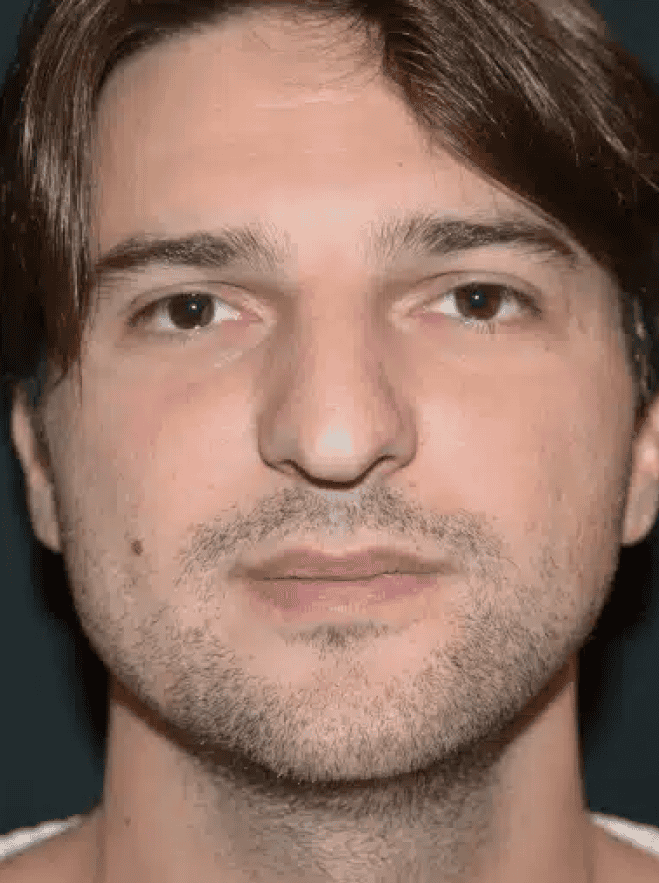

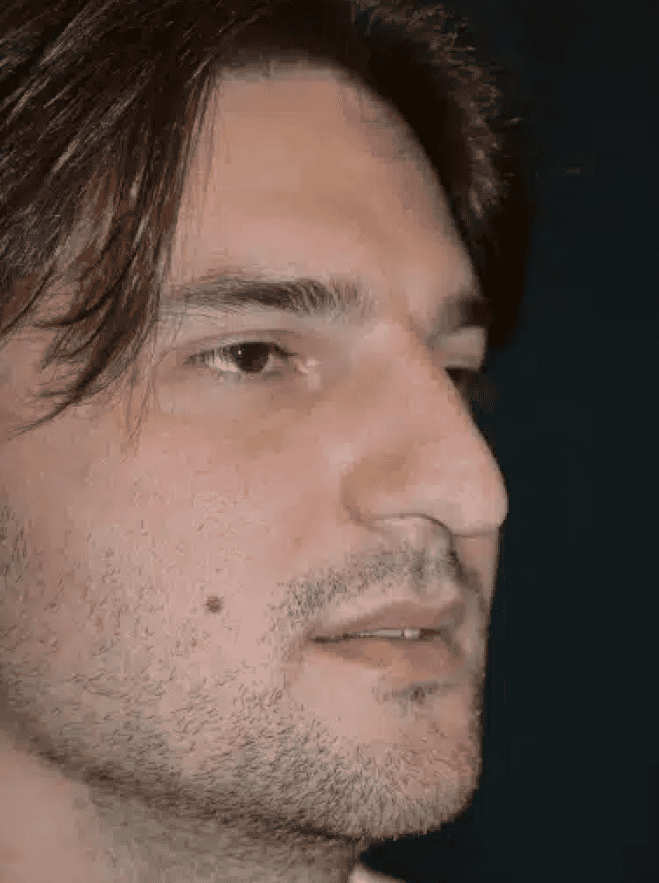
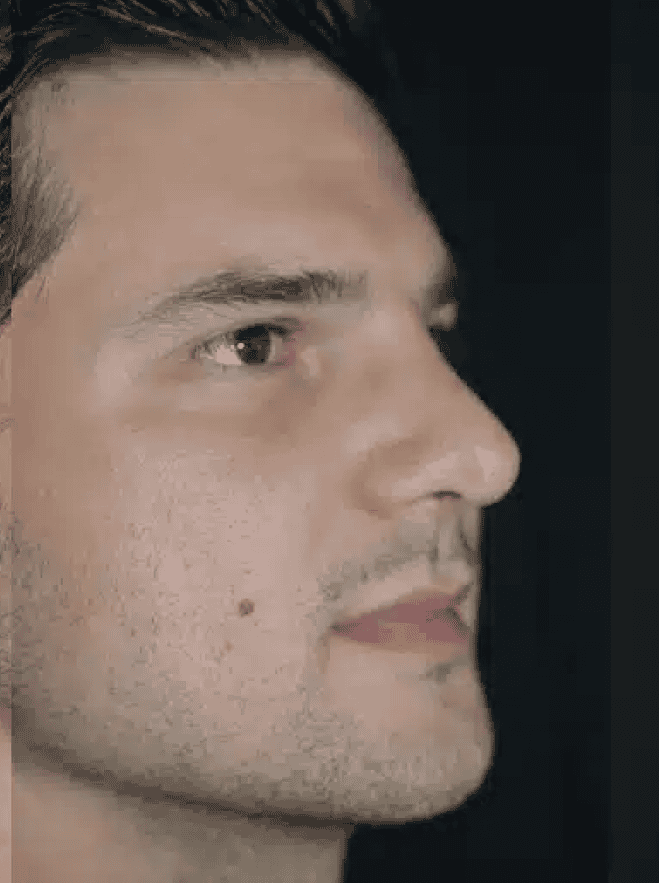
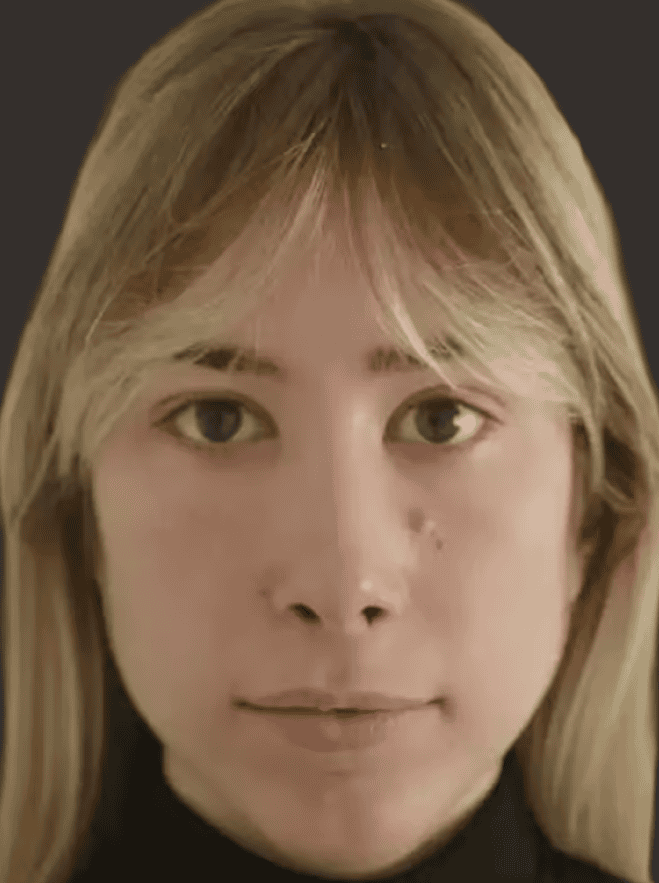
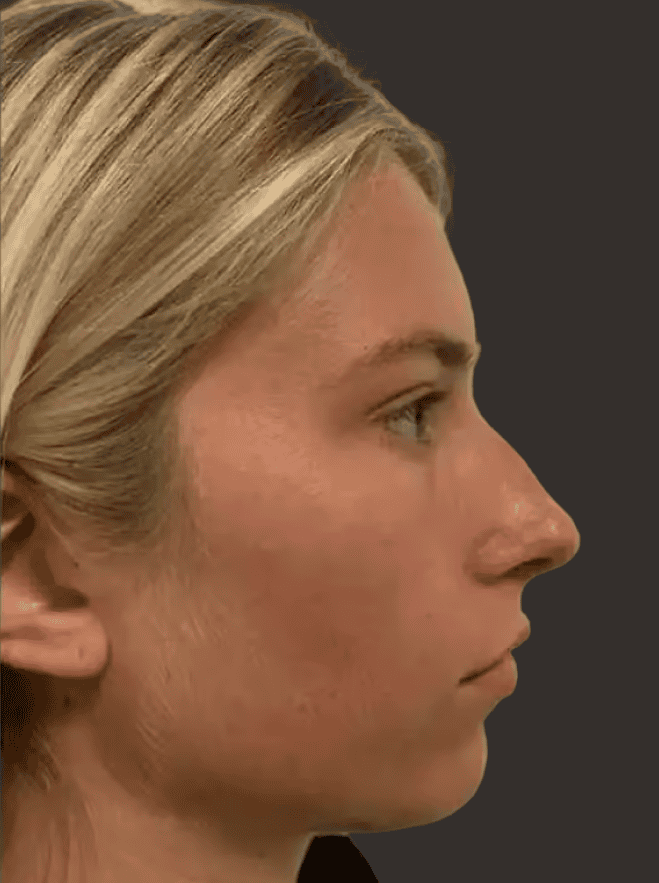
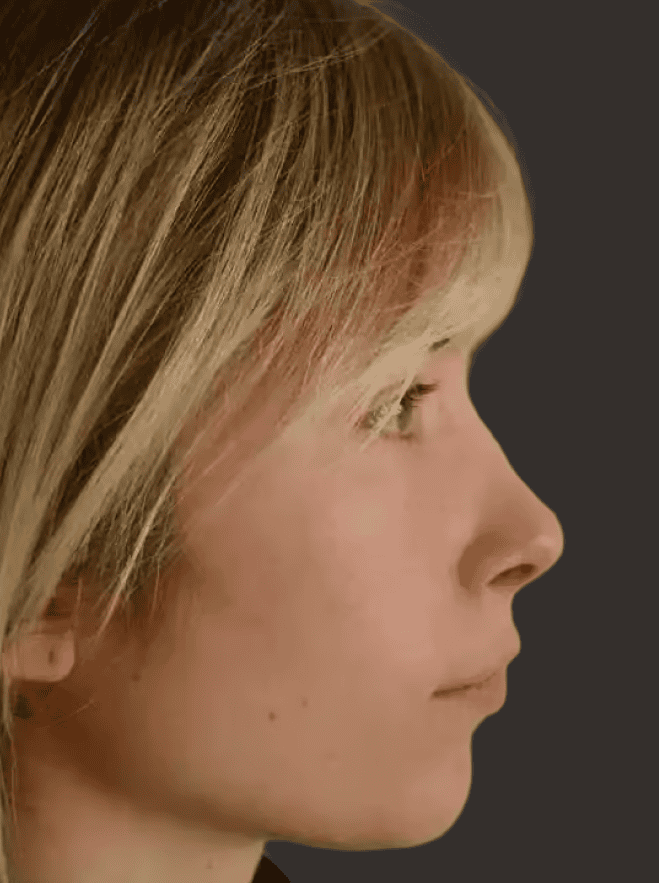
He was looking for a bump on the bridge of his nose. Viewed straight on, it was barely noticeable. In profile, it was the first thing he noticed in every photograph.
The bump has been removed and the bridge of the nose is now straight. The tip of the nose is slightly narrower and sits a little higher, which makes the nose look shorter without it actually being any smaller.
When it comes to men, it’s important not to go too far. A nose that ends up too small or too upturned looks feminine, and there’s no going back. The profile should still be that of a man’s, just without the bump.
Look at the bridge of the nose in the profile photos. That’s where the whole procedure has been carried out. From the front, the difference is slight, and that’s the intention.
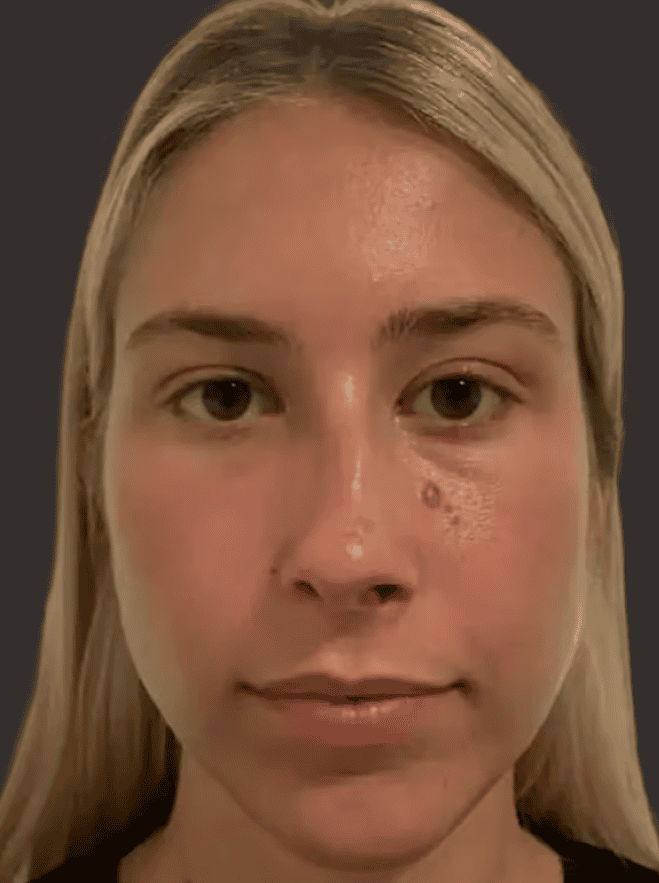
"You might think that nose surgery isn’t all that difficult. But there are a great many specific factors that have to come together for the patient to be satisfied."
The nose is the most challenging part of the face to operate on. It is visible from directly in front; it is made up of bone at the top and cartilage at the bottom, and these two parts heal differently. The margins are narrow, and even a one-millimetre deviation is noticeable.
Cosmetic or functional rhinoplasty
A rhinoplasty can be performed for cosmetic reasons, to improve breathing, or for both. These issues are often linked: a deviated nasal septum makes the nose appear crooked from the outside, whilst also making it difficult for air to pass through. For this reason, during the consultation, Jonas examines the nose both externally and internally.
This is how Jonas is planning the procedure
Planning begins with what the nose can withstand, rather than with how it should look. Cartilage can be reshaped but not created from scratch, and what is removed cannot be put back.
Jonas has described his own technique in Indian Journal of Plastic Surgery. It is based on closed rhinoplasty, where all the incisions are made inside the nose, and only involves an open approach in cases where the tip of the nose needs to be re-shaped under direct visualisation.
Scars and where they are located
With the closed technique, all the incisions are made inside the nose and are not visible from the outside. With the open technique, an additional incision is made across the columella, the strip of skin between the nostrils. This scar is a few millimetres long and, in most cases, is difficult to see after a year, but it does not disappear completely. How a scar heals depends partly on skin type and cannot be predicted with complete certainty.

Recovery week by week
The first week: A cut on the nose, swelling and discolouration around the eyes.
Seven to ten days: Most people are back at work, still a bit swollen.
After a month: Your nose looks normal to everyone except yourself.
Up to one year: The last bit of swelling is at the tip of the nose. If you’ve had a previous nose operation, it takes longer. That’s the part most people are least prepared for.
How long the results last
A rhinoplasty is permanent. The nose changes gradually with age, just like the rest of the face, but the procedure is performed only once. Some rhinoplasties require subsequent adjustments. This applies to all surgeons.
Secondary rhinoplasty
Revision surgery on a nose that has already undergone surgery – often elsewhere – accounts for a large proportion of Jonas’s practice. It is more difficult than a first-time operation: scar tissue makes the anatomy less predictable, the cartilage required may already have been removed, and the outcome cannot be assessed with the same degree of certainty in advance.
A botched rhinoplasty can usually be improved, but it is rarely possible to undo it.
Read all about rhinoplastyBook directly — updated from the calendar
No treatments matched your search.
Breast augmentation, breast lift, reduction and reconstruction — tailored to your anatomy.
Read moreDuring scar revision, old scar tissue is cut away or sanded down so that the incision can heal to form a much less noticeable scar.
Read more about the procedureA breast reduction removes breast tissue and excess skin while lifting the breast into place. Many patients come to us because of neck, back and shoulder problems rather than for aesthetic reasons. Your surgeon goes through how much can be removed and what that means for shape and sensation.
Read more about the procedureIn a breast reduction using an anchor incision, excess tissue is removed and the breast is lifted to a higher, more proportionate shape.
Read more about the procedureIn a vertical incision, excess breast tissue is removed and the breast is reshaped, leaving a smaller scar than with the traditional anchor incision.
Read more about the procedureB-Lite is a lightweight implant that weighs around a third less than a traditional silicone implant. Lower weight means less strain on the breast tissue over time, which can be relevant for larger volumes or thin tissue.
Read more about the procedureIn breast augmentation using the patient’s own fat, stem cell-rich fat is harvested via liposuction and injected into the breast to achieve a natural increase in volume.
Read more about the procedureThe hybrid method combines implants with a transplant of the body's own fat. The implant provides the volume, while the fat is placed as a covering layer on top to soften the transitions. The method is often used when the tissue is thin and the edges of an implant would otherwise show.
Read more about the procedureMentor is one of the most widely used implant manufacturers in the world, with extensive documentation behind it. This includes anatomically shaped Mentor implants. Size and profile are chosen together with your surgeon at the consultation.
Read more about the procedureRound Mentor implants give more fullness in the upper part of the breast than anatomically shaped implants. This is the price we start from for a breast augmentation with us. Anaesthesia, all follow-up visits and ultrasound checks of the implants are included.
Read more about the procedureMotiva implants have a softer shell and an ergonomic gel that changes shape as you lie down or stand up. Every implant carries a traceable chip, so the details remain available long after the operation.
Read more about the procedureWhen the breasts have both lost volume and dropped in position, implants alone are rarely enough. Here, a lift and implants are combined in the same operation. Whether it can be done in one stage or needs to be split up is decided by your surgeon at the consultation.
Read more about the procedurePolytech is a German manufacturer offering implants in micro-polyurethane and silicone. The surface structure allows the implant to anchor more firmly in the tissue, which can reduce the risk of displacement.
Read more about the procedureA breast lift moves the breast tissue and nipple upwards and removes the surplus skin. The volume does not change; it is the shape and position that are altered. It is most commonly done after pregnancy, breastfeeding or major weight loss.
Read more about the procedureBreast reconstruction rebuilds the breast after breast cancer surgery, using implants or the body's own tissue. As the conditions depend entirely on your previous treatment, we provide a personal quote instead of a from-price.
Read more about the procedurePart of the transplanted fat is always resorbed by the body during the first year. If you have had a fat transfer to the breasts with us, you can top up at a lower price, provided it is done within twelve months of the first procedure.
Read more about the procedureDuring liposuction of the chest, localised deposits of fat are removed to create a firmer, flatter and more defined contour.
Read more about the procedureA minor procedure that reduces the length or circumference of the nipple. It is done under local anaesthetic and can also be performed together with other breast surgery.
Read more about the procedureGynecomastia means enlarged breast tissue in men. As the breast usually consists of both fat and glandular tissue, we combine liposuction with removal of the gland; otherwise a lump remains behind the nipple.
Read more about the procedureReplacing breast implants becomes relevant when the implants are getting old, in the event of capsular contracture, or if you want to change size and shape. The price covers both breasts and includes removal of the old implants.
Read more about the procedureOver the years, the skin stretches around the implant. If you choose to replace your implants and lift the breast at the same time, you get both new volume and a new position in one operation, which is common at a second or third exchange.
Read more about the procedureIn cases of fat accumulation around the armpits and flanks, the procedure is combined with gentle liposuction to achieve a smoother and more defined contour.
Read more about the procedureRemoval of breast implants under general anaesthesia, with or without a lift in the same operation. How the breasts will look afterwards depends on how long the implants have been in place and on the quality of the skin, and we go through this at the consultation.
Read more about the procedureAreola surgery reduces or reshapes the areola. It is done either as a stand-alone procedure or together with a breast lift or breast reduction. We always carry out ultrasound checks free of charge for our patients.
Read more about the procedureSurgical facial procedures, from eyelids to complete facelifts using modern deep plane techniques.
Read moreA facelift lifts and repositions both the skin and the underlying muscles of the face and neck. We work with the deep plane technique, where the deeper tissue layers are released and repositioned instead of simply stretching the skin. This gives a result that lasts longer and moves more naturally.
Read more about the procedureBuccal fat removal, sometimes called bichectomy, removes a defined fat pad inside the cheek. The procedure slims the midface and defines the cheekbones. As the fat pad does not grow back, the effect is permanent, which makes the assessment before the procedure especially important.
Read more about the procedureA Deep Plane Facelift involves releasing and lifting the deeper layers of tissue to achieve a natural, long-lasting result, with prices starting from 128,000 SEK.
Read more about the procedureThe body's own fat is harvested from another area and transferred to the face where volume has diminished over the years, often the cheeks, temples or around the mouth. Unlike filler, the volume is built with your own tissue.
Read more about the procedureDermabrasion mechanically smooths the top layer of the skin. The method is used for uneven skin texture and acne scarring, among other things.
Lip augmentation using the body's own fat instead of filler. The fat is taken from another area and provides longer-lasting volume than hyaluronic acid, although part of the transplanted fat is always resorbed.
Read more about the procedureA lip lift shortens the distance between the nose and the upper lip so that more of the red lip line shows. Unlike fillers, the result is permanent, and it affects the proportions of the entire midface.
Read more about the procedureA midface lift targets the cheek region and the area just below the eyes. It is often done together with eyelid surgery, as the transition between the lower eyelid and the cheek is what creates a tired impression.
Read more about the procedureCorner-of-mouth surgery lifts downturned corners of the mouth through a small skin incision at the corner itself. The procedure addresses the expression that makes the face look stern at rest.
Read more about the procedureRhinoplasty changes the shape, size or profile of the nose, for example a hump on the bridge or a wide nasal dorsum. If the septum is corrected at the same time, breathing can also improve. The result settles gradually over the first year.
Read more about the procedureReshaping and straightening of the nasal septum in the same operation. This is the most common set-up when you both want to change the appearance of the nose and have difficulty breathing through it.
Read more about the procedureSeptoplasty straightens a deviated nasal septum. The procedure is done for functional reasons, that is to improve airflow, and does not affect the outer shape of the nose.
Read more about the procedureThe nostrils are narrowed so that the base of the nose becomes slimmer. The procedure is performed together with a lip lift, as the two affect the same part of the face.
Read more about the procedureOn the upper eyelids, the excess skin that has settled over the lash line and weighed down the gaze is removed. It is one of the most common aesthetic procedures and is performed here under general anaesthesia, which is included in the price.
Read more about the procedureThe upper and lower eyelids are operated on at the same time under general anaesthesia. This is often a more economical choice than two separate procedures, and the entire eye region is treated in one step.
Read more about the procedureOn the lower eyelids, bags and excess skin are treated. Depending on what causes the bags, the fat can be redistributed rather than removed, which your surgeon assesses at the consultation.
Read more about the procedureThe brow lift is done with a keyhole technique through small incisions in the scalp, lifting the forehead and eyebrows. It suits you if your brows have dropped and weighed down your gaze, a concern sometimes mistaken for heavy eyelids.
Read more about the procedureA revision operation after previous nose surgery. Scar tissue and altered anatomy make the procedure technically more demanding than a first rhinoplasty, which is why the price is higher.
Read more about the procedureOtoplasty corrects protruding ears by reshaping the cartilage and setting the ear closer to the head. The procedure is done on both children and adults; with children, one normally waits until the ear is fully grown.
Read more about the procedureAn arm lift removes excess skin on the inside of the upper arms. The need usually arises after major weight loss, when the skin has not retracted along with the volume. The scar is placed along the inside of the arm.
Read more about the procedureA mini tummy tuck treats either the upper or the lower part of the abdomen and is a smaller procedure than the full version. It suits cases where the excess skin is limited and the abdominal muscles do not need tightening.
Read more about the procedureHere, both the abdomen and the back are treated all the way around the torso in the same operation. It is the most extensive option and is primarily done after major weight loss, when the excess skin goes all the way round.
Read more about the procedureA full tummy tuck removes excess skin and fat from the abdomen while tightening the abdominal muscles that have often separated after pregnancy. The price differs by BMI because the operating time and the extent of the procedure do.
Read more about the procedureThe same procedure as above but with greater extent, longer operating time and a more demanding recovery. Your surgeon discusses at the consultation whether it is worth losing some weight first.
Read more about the procedureAn inner thigh lift removes excess skin on the inside of the thighs. The procedure is common after weight loss and targets skin that chafes or folds, not fat deposits.
Read more about the procedureA thigh lift covers the entire circumference of the thigh and is the largest of our thigh procedures. It is done when the excess skin extends along both the inside and the outside, usually after major weight loss.
Read more about the procedureA ‘Mommy Makeover’ combines breast and tummy procedures to restore the body’s contours following pregnancy and breastfeeding.
Read more about the procedureBBL, or Brazilian Butt Lift, reshapes the buttocks with the body's own fat. The fat is harvested from the stomach, waist or thighs and transferred, which means you get contouring of two areas in one procedure.
Read more about the procedureImplants are the alternative when there is not enough of your own fat to transfer. The implant is placed in the buttock muscle and provides volume that is not resorbed over time.
Read more about the procedureA buttock lift raises the buttocks by removing excess skin. Unlike a BBL, no volume is added; it is the position that changes.
Read more about the procedureLipoedema is a condition in which fat tissue accumulates symmetrically on the legs or arms and makes them tender. Liposuction is the treatment that has shown the best effect on the symptoms. This covers the entire legs, and the treatment is usually done in several stages.
Read more about the procedureLipoedema looks different from person to person, and not everyone has symptoms in the entire legs. Combinations outside the standard set-up are assessed individually and quoted after a consultation.
Read more about the procedureLiposuction of the inside of the upper arms, the area often called bingo wings. The method removes the fat but does not tighten skin, so with larger skin excess an arm lift is a better option.
Read more about the procedureLiposuction under the chin and on the neck removes the fat deposit that creates a double chin. Many choose surgery over injectable treatment here because the effect is immediate and only needs doing once.
Read more about the procedureTreats the hips and what is usually called love handles. The area rarely responds to training because the fat sits superficially and locally, which makes it one of the most common areas we treat.
Read more about the procedureLiposuction of the fat deposit on the inside of the knee. A small area, but it affects how the entire leg line reads and is often combined with the inner thigh.
Read more about the procedureThe entire thigh is treated all the way around: inside, outside, front and back. This gives a smoother transition than treating individual sections separately.
Read more about the procedureThe inner thighs are one of the areas that respond least to training and weight loss. Liposuction here also reduces chafing between the thighs.
Read more about the procedureSaddlebags are fat deposits on the outside of the thighs that are often hereditary and remain regardless of weight. Liposuction evens out the line from hip to knee.
Read more about the procedureLiposuction of the abdomen without removing excess skin. It requires the skin to have good elasticity so it can retract afterwards. If you have excess skin or separated abdominal muscles, a tummy tuck is the right procedure instead.
Read more about the procedureTreats fat rolls on the back and along the bra line. The area is difficult to influence with training and shows mostly in clothes, which is the most common reason patients seek treatment.
Read more about the procedureLiposuction of the calves for a slimmer leg line. The area requires precise technique as the tissue is firmer than on the thighs and abdomen.
Read more about the procedureTreats the area around the ankles, usually together with the calves so that the transition is even.
Read more about the procedureDiscreet intimate surgery for women and men, performed by specialised surgeons.
Read moreLabiaplasty reduces the inner labia. Most patients come to us because of practical problems - chafing during exercise, in clothing or during sex - rather than for aesthetic reasons.
Read more about the procedureThe body's own fat is transferred to the outer labia to restore volume that has diminished with the years or after weight loss.
Read more about the procedureTreats the fat deposit above the pubic bone that can become prominent in tight clothing. The procedure is often done together with a tummy tuck.
Read more about the procedureVaginal tightening surgery tightens the vaginal wall. It is most common after childbirth, and the concerns usually involve reduced sensation or a feeling of increased laxity.
Read more about the procedurePenis lengthening releases the part of the penile shaft that lies inside the body by dividing parts of the suspensory ligament. The procedure is performed by a specialist and is always assessed individually.
Read more about the procedureLengthening and thickening in the same operation. The combination costs less than two separate procedures, as anaesthesia and operating time are shared.
Read more about the procedurePenis thickening increases the circumference using the body's own fat or filler. Your surgeon goes through the difference in longevity between the methods at the consultation.
Read more about the procedureTreatment of the outer labia. Depending on the concerns, either excess tissue is reduced or volume is rebuilt.
Read more about the procedureHair transplants and PRP treatments that stimulate hair growth.
Read moreIn a hair transplant, hair follicles are moved from the back of the head, where the hair is rarely affected by hair loss, to areas that have thinned. The small size suits defined areas such as the temples or a limited patch on the crown.
Read more about the procedureThe medium size covers a larger area, for example the temples and the front hairline in the same session. The number of grafts determines the price and is assessed at the consultation.
Read more about the procedureThe largest size is used for more extensive hair loss where both the hairline and the crown are to be treated. The procedure takes a full day.
Read more about the procedurePersonal consultations with our specialists.
The consultation takes about 45 minutes. You meet the surgeon who would perform the procedure, receive a medical assessment of your circumstances and a treatment plan with a written price to take home.
Read more about the procedure
Jonas starts by letting you talk – ideally in front of a mirror – about what you want to change. Then he listens, and afterwards you discuss it together. Sometimes he’ll ask to see pictures. He often sketches out the target image in Photoshop, so that you both have the same idea of what’s realistically achievable before you make up your mind.
The nose is examined both externally and internally: the thickness of the skin, the strength of the cartilage, the position of the nasal septum, any previous surgery and your general health. Breathing and appearance are more closely linked than most people realise, and this assessment cannot be made from a photograph.
Before your appointment, you’ll fill in a health declaration form, which Jonas will review in advance to see what he needs to focus on. This also leads into a discussion about the risks involved in any surgery, regardless of how minor or major the procedure is.
The consultation is also an opportunity for Jonas to form an opinion: to ensure that you feel confident about going ahead with the operation, and that he can achieve the expected results. If your expectations exceed what he is capable of, you will be asked to go home and think it over. He does this too, to see whether the operation is even possible.
Following the consultation, you will receive a written quote. You will also be offered a second visit free of charge, as most questions only come to mind once you’ve had time to think things through at home.
There must be at least seven days between the consultation and the operation. This is a statutory cooling-off period for cosmetic surgery and cannot be shortened, however confident you may feel. The law also requires that you are aged 18 or over, and that the procedure is carried out by a registered doctor with specialist qualifications in the relevant field.
You can see Jonas for a consultation at both of our clinics in Stockholm, at Humlegårdsgatan 14 and Hangövägen 20. He always performs the operation itself at Hangövägen 20.
To undergo an aesthetic surgical procedure, you need to be over 18 years of age and in good general health. During the consultation, a medical assessment of your conditions will be made. Smoking, active infection and certain diseases may make a procedure unsuitable at that time. All surgeries are performed in our own operating room with an anesthesiologist on site.
Many people choose to split the cost. We work with Svea Bank, where you apply with BankID and usually receive a decision the same day. The application is made after the consultation, when you know how much the procedure costs.
A surgical outcome can be planned but not guaranteed. Healing varies between individuals, and realistic expectations are the most important factor in whether you will be satisfied. Your surgeon is clear about what can be achieved, even when the response is not what you hoped for.
6 publicationpublications
No publications match this search.
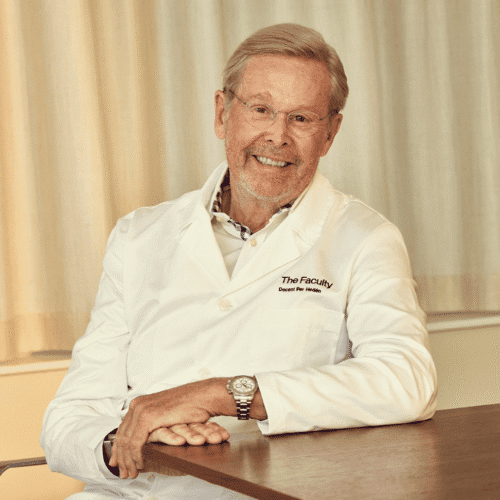
We at The Faculty are incredibly proud that he is being recognized with this fine award. Read the story of the pioneer who put Sweden on the global plastic surgery map.
READ THE ARTICLE HERE
The Faculty continues to grow. We are now delighted to welcome Plastikkirurgen Stockholm to our plastic surgery clinic at Hangövägen 20.
READ THE ARTICLE HERE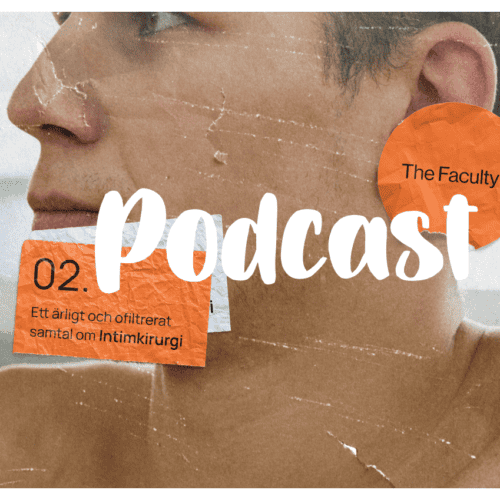
In the second episode of The Faculty Podcast, we lift the lid on a topic that many people think about, but few dare to talk openly about – intimate surgery.
READ THE ARTICLE HEREThe nose is the part of the body Jonas operates on most frequently, and it is also the part he is asked about most often. If your question relates to a different procedure, you will find the answers on the relevant treatment page.
Check three things. That the surgeon holds a specialist qualification in plastic surgery from the National Board of Health and Welfare, not just a medical licence. That the procedure is carried out regularly and not just as a side activity. And that you are told what could go wrong, not just what could go right. A surgeon who only talks about results has not given you the information you need to make an informed decision.
Nose surgery is the cosmetic procedure where the difference between the ordinary and the extraordinary is most evident, as an unsuccessful result is right in the middle of the face. Ask how many nose operations the surgeon performs each year and ask to see results from noses similar to yours.
A rhinoplasty with Jonas Röjdmark costs from 75,000 SEK. The price depends on the complexity of your particular operation, and you will receive an exact quote in writing following your consultation. A secondary rhinoplasty – that is, revision surgery on a nose that has already been operated on – costs more, as it is almost always considerably more complicated.
Sometimes. A deviated nasal septum that causes significant breathing difficulties may be deemed medically justified, in which case different rules apply to those for cosmetic surgery. The assessment is carried out by the regional health authority, not by us, and you should apply via your local health centre or an ear, nose and throat clinic.
If you also want to change the appearance of your nose, you’ll have to pay for that part yourself. If you suspect that the breathing aspect applies to you, it’s worth seeking medical advice for that first.
You must be at least 18 years old. This is the legal age limit for cosmetic surgery. The nose is generally fully developed long before then – around the age of 15 for women and a year or two later for men – so it is the age limit that determines eligibility. If the issue is breathing difficulties, there is no equivalent age limit.
The operation itself may be similar. The difference lies in what happens afterwards.
A nose takes up to a year to heal and is monitored throughout that time. If any adjustments are needed, the surgeon who operated on you should carry them out, as he knows exactly what he did inside your nose. If the surgeon is based in another country, any adjustments will be both more expensive and more difficult than the original operation.
To some extent. Fillers can be used to smooth out a bump or correct minor asymmetry, and the results are visible straight away. The effects last for about a year.
Fillers can only add volume; they can never remove it. A nose that is perceived as too large will not become smaller as a result of filler treatment, and a deviated nasal septum will not be affected at all. If you wish to correct either of these issues, surgery is the only effective option. Read about nose reshaping with fillers
Yes. Secondary rhinoplasty accounts for a large proportion of his practice. The scar tissue from the previous operation makes the anatomy less predictable, and the outcome cannot be assessed with the same certainty in advance as with a first-time operation. He will let you know during the consultation if he thinks that revision surgery is unlikely to give you the outcome you are hoping for.
No. Many people book an appointment precisely to find out what is possible. You’ll receive a medical assessment, a written quote and a second consultation free of charge before you need to make a decision.
Consultations take place at Humlegårdsgatan 14 or Hangövägen 20 in Stockholm, depending on what suits you best. All operations are carried out at Hangövägen 20. He also operates at Plastikkirurgen Stockholm, which is part of the same group.
Yes, you will meet Jonas in person during your consultation. It is an important part of the process that you get to sit down face-to-face with the surgeon who will be carrying out the procedure, so that you can go through your specific circumstances and discuss your expectations at your leisure.
This gives you the opportunity to ask him all your questions directly, which builds trust and ensures that you are both on the same page right from the start.
The consultation is free of charge for all treatments. A Second Opinion, i.e. an assessment of a procedure performed elsewhere, costs SEK 3,500. A consultation with Associate Professor Per Hedén costs SEK 1,700 for 30 minutes and SEK 3,400 for 60 minutes.
Usually yes, but it requires planning. Blood-thinning medication increases the risk of bleeding during and after the procedure, and the nose has a rich blood supply.
How this is handled depends on the reason you are taking the treatment. For some conditions, it is possible to stop taking the medicine for a few days; for others, the risk of stopping is greater than the risk of bleeding. Jonas makes this assessment together with the doctor who prescribed the medicine, and you should never make this decision yourself.
Please bring a complete list of your medicines to the consultation. Sometimes this means the procedure will need to be rescheduled, and sometimes it means it is not appropriate at the moment.
Medicines. Painkillers containing acetylsalicylic acid should be stopped one week before the operation. Never stop or adjust your prescribed blood-thinning medication on your own; this should be done in consultation with Jonas and, if necessary, with your GP.
Dietary supplements. Omega-3, ginger, garlic supplements, ginkgo and vitamin E can also affect your tendency to bleed. Please bring a list of everything you are taking to your consultation.
Smoking. Nicotine impairs blood circulation in the skin and thus hinders healing; in the case of nasal surgery, this is a greater concern than with most other procedures. Stop smoking at least one week before the operation. This also applies to snus and nicotine replacement therapy.
Fasting and alcohol. You will receive instructions from the anaesthetist ahead of the day of your operation.
No. Nose operations are carried out under general anaesthetic. Minor corrections can be carried out under local anaesthetic.
Rhinoplasty is an outpatient procedure. You arrive in the morning having fasted and go home in the late afternoon or evening of the same day. It is rare for anyone to need to stay overnight, and when this does happen, it is in the case of very complex revision surgery.
You must not drive yourself after anaesthesia. Arrange for someone to pick you up, and preferably someone who can be at home for the first 24 hours.
The splint remains on the nose for about a week and is removed at the first follow-up appointment. Swelling and discolouration around the eyes are at their worst on days two to three and subside noticeably during the second week. Most people are back at work after seven to ten days.
Expect it to take longer than you’d hope. To others, your nose will look normal after about a month, but the final swelling at the tip of the nose can last for up to a year – and even longer for those who have had surgery before. That’s the part people are least prepared for.
Less than most people expect. The nose is tender and it hurts to touch it, but the most common description is not pain but rather a feeling of congestion and discomfort when breathing through the mouth.
Painkillers are prescribed and are usually only needed for the first few days.
After the first week, they’re fine, as long as they don’t press too hard against the bridge of the nose. Contact lenses are fine sooner than that.
All operations carry risks, and Jonas will go through the risks that apply to you during the consultation. A risk specific to nose surgery is that, in some people, the body produces more cartilage and bone than expected during the healing process. This occurs in around five per cent of cases, depending on how that particular person heals, and rarely has a significant impact on the final result. During the operation, the airways are monitored closely to ensure that breathing is not impaired by the procedure.
No surgeon in the world has patients who are just happy and cheerful. It could be bleeding, it could be an infection. And then you need help from someone who doesn't just go around hiding.
Jonas Röjdmark
Do not pick your nose and avoid blowing your nose too hard for the first two weeks. If you sneeze, do so with your mouth open.
You’ll have to wait a month before you can exercise. Sleep with an extra pillow under your head for the first week – it’ll help keep the swelling down.
With the closed technique, all the incisions are made inside the nose and are not visible from the outside. If the tip is opened up, an incision is made across the columella, the strip of skin between the nostrils. This scar is a few millimetres long and, in most cases, is difficult to see after a year, but it does not disappear completely.
How a scar heals is partly hereditary and cannot be predicted with complete certainty.
A rhinoplasty is permanent. The nose continues to change gradually with age, just like the rest of the face, but the procedure is carried out only once.
The first follow-up appointment takes place about a week after the operation, when the splint is removed and Jonas checks that the healing is progressing as it should. You will then be monitored throughout the first year of healing, as the result cannot be assessed until the swelling has subsided.
Between appointments, please get in touch if anything feels wrong. You don’t need to wait until your next booked appointment to get in touch, and it’s always better to ask once too often.
Contact us. The follow-up visits are free of charge throughout the first year, with both the nurse and the surgeon, and you can book an extra check-up whenever you want. The final result is usually only visible after six to twelve months, so after six months your surgeon will make an initial assessment of how the result compares to what you planned.
If the expected result has not been achieved, a correction may be necessary. It is free of charge if you contact us no earlier than six months after the operation, so that it can be done within twelve months. In the case of nose surgery, twelve and eighteen months apply. This applies to the original procedure, not an extension of it, and not changes that occur later due to aging, pregnancy or major weight changes. The surgeon decides whether a correction is appropriate and what is included.
If you and your surgeon disagree on the result, the matter will be raised to the clinic conference, where all surgeons at The Faculty make a joint assessment. The Faculty is registered with IVO and have patient insurance with Folksam, and you can always contact the patient committee in your region.



