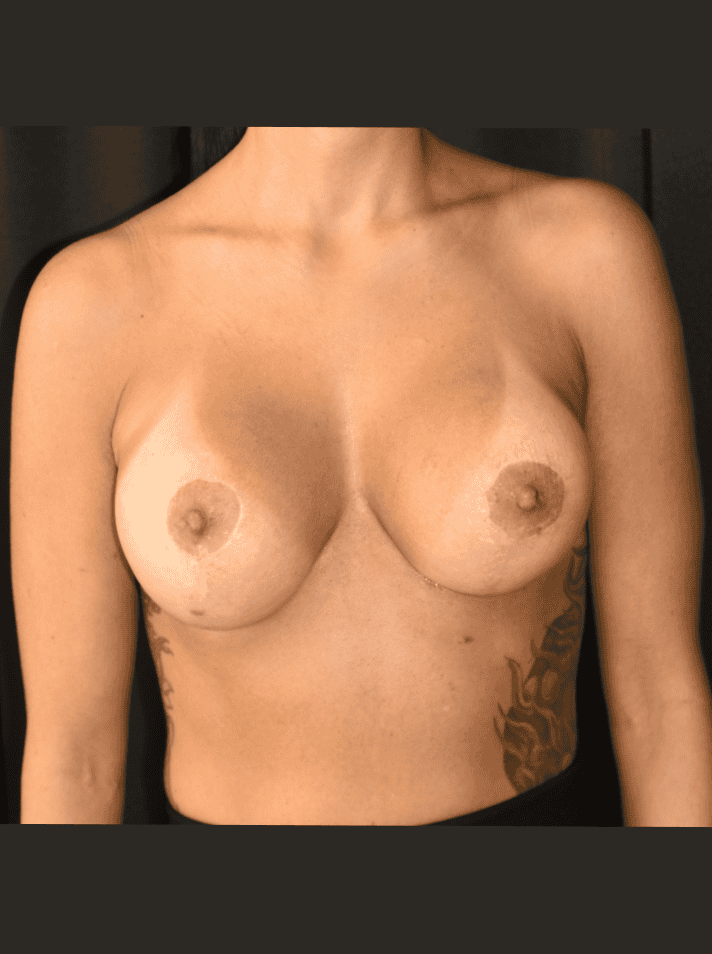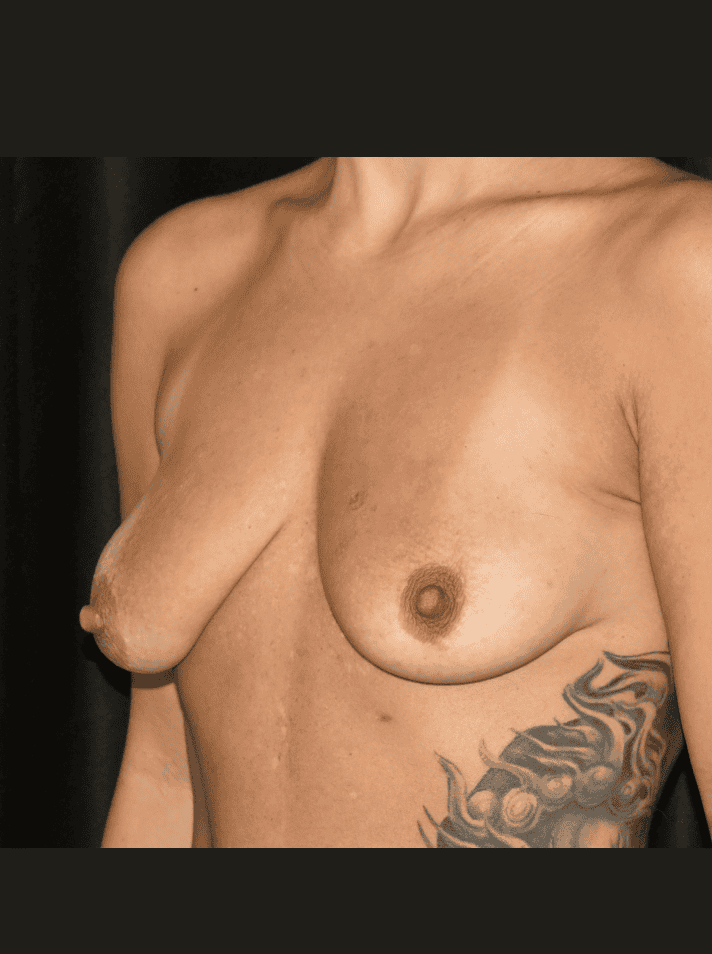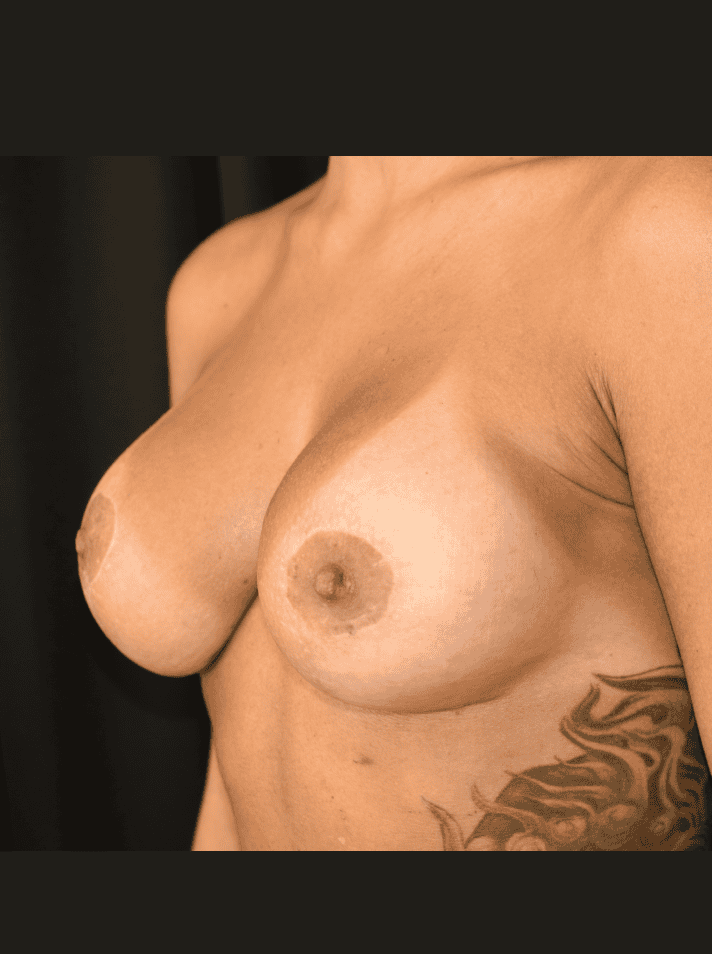
Round or anatomical
Round implants have the same shape all around and provide the most volume in the upper part of the breast. They move freely in the breast pocket and cannot end up in the wrong place if they rotate. Anatomical implants, often called teardrop-shaped, have more volume at the bottom and a flatter upper part, like a natural breast. They are often suitable for those who have little breast tissue of their own and want a smooth transition at the top. The disadvantage is that an anatomical implant can rotate, which is visible, and that it therefore needs a surface that attaches to the tissue.
The difference is not always visible. In a Swedish study from Karolinska, experienced plastic surgeons could not see in pictures which breasts had round and which had anatomical implants. The shape is therefore chosen according to your tissue and your chest, not according to a principle. Per Hedén is the first author of the international guidelines for when anatomical implants are the right choice: usually when there is little own tissue at the top, a narrow or sloping chest or a desire for a soft upper contour. In other cases, we choose round, which cannot end up wrong if they rotate.