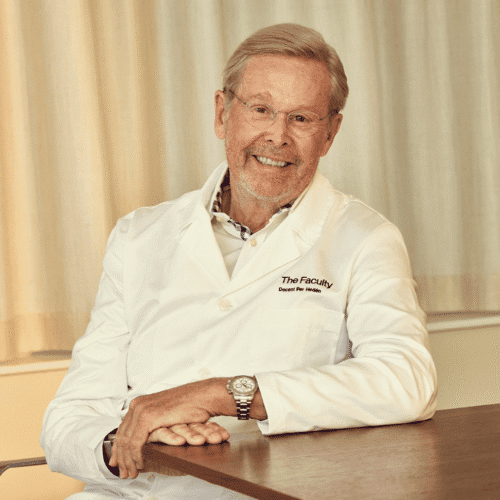
MOVIE: MEET

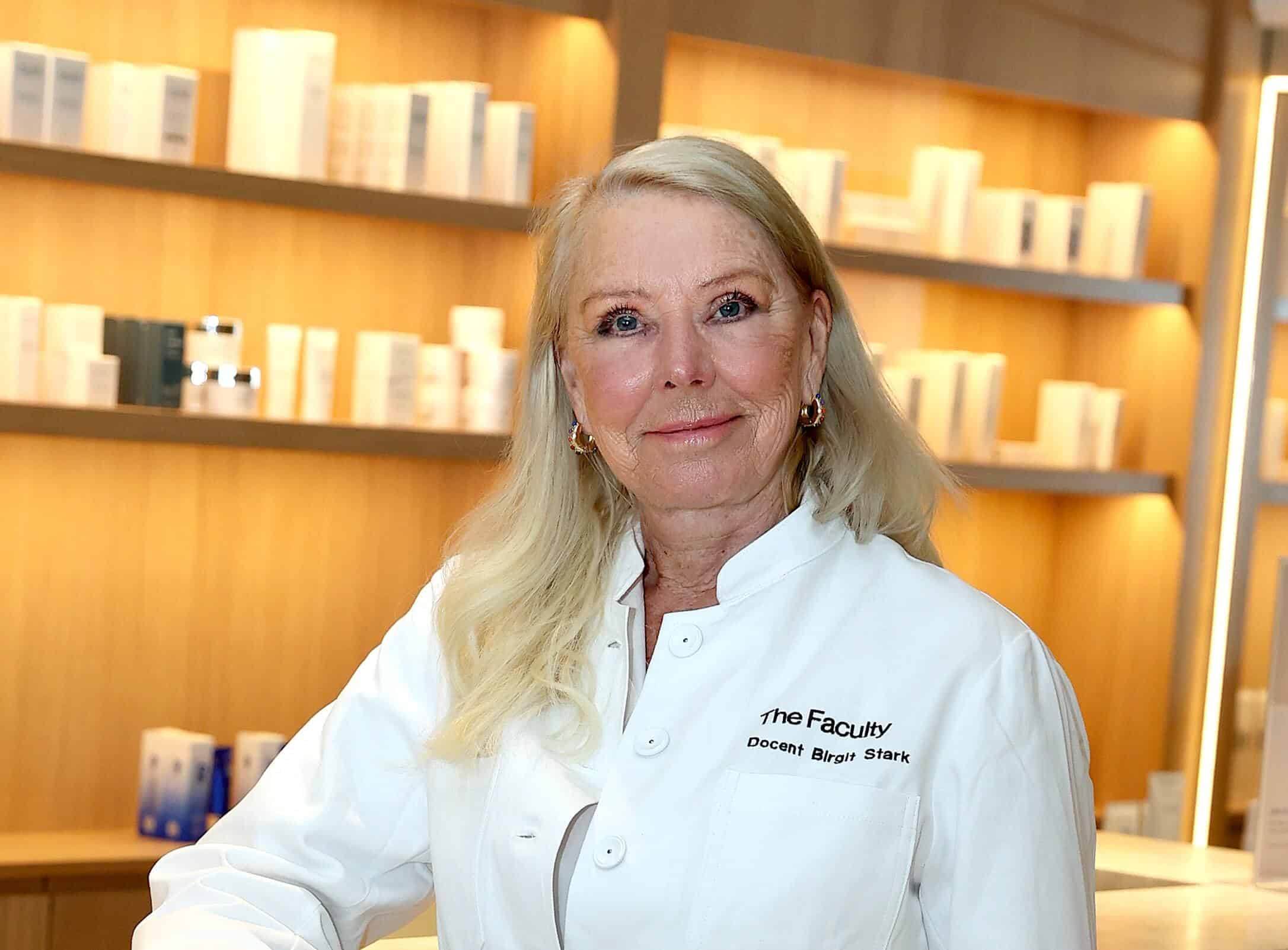
Birgit Stark Plastic Surgeon & Associate Professor

Birgit Stark is a plastic surgeon and associate professor of plastic surgery. She operates at The Faculty in Stockholm and has been a specialist since 1989. She specialises primarily in eyelid and facial surgery, and has extensive experience of breast surgery and abdominal wall surgery for rectus diastasis and hernias. Since 2005, she has also been responsible for the care of patients with facial paralysis at Karolinska University Hospital. In 2014, she set up the Swedish Breast Implant Register, BRIMP. The register tracks every breast implant inserted in Sweden, so that problems with a particular type of implant can be detected before more people are affected. Birgit was the registry manager until 2021 and has served as chair of both the Swedish and European societies for aesthetic plastic surgery.

The same attention to detail is evident in the consultation room. She’ll speak up if she thinks a procedure won’t give you the results you’re hoping for.

Since 1989 Specialist in plastic surgery
Senior Lecturer Karolinska Institute
Chairperson European Society of Plastic Surgeons 2022–2024
60+ Scientific publications
Founder The Swedish Breast Implant Register
Qualifications & CV

More about Birgit Stark

Education

  • 2006 Senior Lecturer in Plastic Surgery, Karolinska Institutet
  • 1999 Doctor of Medicine, Karolinska Institutet
  • 1993 Swedish medical licence and specialist qualifications
  • 1980–89 Medical degree from Liège; specialist in general surgery and plastic surgery, Germany

Roles & experience

  • 2024– Plastic Surgeon, The Faculty
  • 2005– Head of Department, Facial Paralysis, Karolinska University Hospital
  • 1992– The Department of Reconstructive Plastic Surgery, Karolinska University Hospital
  • 1989–92 Plastic surgeon, Germany
  • 2001–2019 Working part-time at the Plastic Surgery Group, Sabbatsberg Hospital, Stockholm
  • 2019–2024 Working part-time at Artclinic, Sophiahemmet, Stockholm

Membership

  • SPKF Swedish Society of Plastic Surgeons
  • SFEP Swedish Society for Aesthetic Plastic Surgery
  • ESAPS European Society of Aesthetic Plastic Surgery
  • ISAPS International Society of Aesthetic Plastic Surgery, Swedish board representative
  • DGPRÄC German Society for Plastic Surgery

Positions of trust

  • 2022–24 Chairman, EASAPS - European Association of Societies of Aesthetic Plastic Surgery
  • 2014–21 Register administrator, the Swedish Breast Implant Register (BRIMP)
  • 2014 Founder, the Swedish Breast Implant Register (BRIMP)
4.8Google star 1Google star 2Google star 3Google star 4Google stars 5
Top Rated Clinic
Verified by Trustindex
Top Rated Clinic
  • 4.8 Excellent rating Last 12 months
  • New reviews collected regularly Recent review activity detected
  • Verified by Trustindex Based on real customer reviews Learn more
Posted on Google Google
Gunilla Olander profile picture
Gunilla Olander
10 days ago
Google star 1Google star 2Google star 3Google star 4Google stars 5Trustindex verifies that the original source of the review is Google.
When love, warmth and care meet perfection, high competence and patient safety.
Posted on Google Google
Katherine Hidalgo profile picture
Katherine Hidalgo
27 days ago
Google star 1Google star 2Google star 3Google star 4Google stars 5Trustindex verifies that the original source of the review is Google.
5/5 stars – Highly recommended! Operated on Monday, September 14, 2026 by Per Heden🙏🌹. Many thanks to The Faculty for an absolutely fantastic treatment. You have taken care of me in a way that is world-class from the first moment. So professional, warm and caring. I give you the highest rating and highly recommend you to everyone! Wonderful experience and world-class care!*****
Posted on Google Google
Gada Masalha profile picture
Gada Masalha
34 days ago
Google star 1Google star 2Google star 3Google star 4Google stars 5Trustindex verifies that the original source of the review is Google.
Absolutely world class. From the first contact all the way. Dr. Filip Farnebo and the entire team had a professional approach at the same time so personal that I dared to be myself and felt safe.
Posted on Google Google
Marianne Staaf profile picture
Marianne Staaf
35 days ago
Google star 1Google star 2Google star 3Google star 4Google stars 5Trustindex verifies that the original source of the review is Google.
So happy with my microblading.
Posted on Google Google
Anna-Peter Olsson profile picture
Anna-Peter Olsson
208 days ago
Google star 1Google star 2Google star 3Google star 4Google stars 5Trustindex verifies that the original source of the review is Google.
Hi, just had a face, neck and nose surgery by Jonas R. Too early to say anything about the end result yet but he is magical in his practice so it can only be the best. I have never been treated so well and taken care of, all the way from the first consultation, surgery planning, reception, the surgery team, the two-night stay. First class VIP feeling right through including the environment which is also TopNotch, private room with TV "sea view" and large veranda/balcony. They have their own chef who prepares wonderful food based on wishes and possible allergens. Room service 24/7 Super professionals the whole team I must say. I will definitely come back here again. Kind regards, Anna
Posted on Google Google
Paula profile picture
Paula
208 days ago
Google star 1Google star 2Google star 3Google star 4Google stars 5Trustindex verifies that the original source of the review is Google.
+0
So professional, nice treatment from start to finish. Dr. Heden inspires great confidence and I received great information after the operation about how it went. The anesthesia and surgical staff were fantastic, I felt so calm and felt safe in their hands. The care in the nursing ward after the operation was top notch, nice, safe and good breakfast🌸
Posted on Google Google
Eva Janson profile picture
Eva Janson
224 days ago
Google star 1Google star 2Google star 3Google star 4Google stars 5Trustindex verifies that the original source of the review is Google.
Got help removing an atheroma on my right shoulder. It turned out to be harder than it sounds, but Dr. Hedén at The Faculty did it beautifully. No pain, safe and nice! Thank you!!
Posted on Google Google
Rima Mir Fakhraei profile picture
Rima Mir Fakhraei
244 days ago
Google star 1Google star 2Google star 3Google star 4Google stars 5Trustindex verifies that the original source of the review is Google.
World class on-site surgery. A professional clinic with Sweden's most skilled and experienced doctors. I have had surgery at other clinics but have not experienced skill and service at this level. Big thanks to Per Hedén and the rest of the staff.
Posted on Google Google
Anna profile picture
Anna
317 days ago
Google star 1Google star 2Google star 3Google star 4Google stars 5Trustindex verifies that the original source of the review is Google.
Modern business where everything is new and except for the staff, they are old in the paperclip, incredibly experienced and in sync from the reception, nurses, nurses, anesthesia staff and surgeons. No questions are stupid, and they have a rock-solid understanding of pain relief. When the breakfast tray arrives after waking up, you become a little religious with happiness.
Posted on Google Google
Louise Rae profile picture
Louise Rae
334 days ago
Google star 1Google star 2Google star 3Google star 4Google stars 5Trustindex verifies that the original source of the review is Google.
Nice staff throughout the clinic and good aftercare, responds quickly to emails. Lovely Riikka operated on me after the effects of childbirth I had a few years earlier. It was nice to be operated on in an environment that is not depressing and with staff/surgeons who are committed.
Availability

Booking & availability

Next available slot – Birgit Stark

Book directly — updated from the calendar

Show more times
Welcome to our new plastic surgery clinic, with its modern décor and relaxing atmosphere.
Price list

Prices & Treatments

Facial surgery

Surgical facial procedures, from eyelids to complete facelifts using modern deep plane techniques.

Read more
  • Facelift

    from 128,000 SEK

    A facelift lifts and repositions both the skin and the underlying muscles of the face and neck. We work with the deep plane technique, where the deeper tissue layers are released and repositioned instead of simply stretching the skin. This gives a result that lasts longer and moves more naturally.

    Read more about the procedure
    Book
  • Buccal fat pad removal

    from 35,000 SEK

    Buccal fat removal, sometimes called bichectomy, removes a defined fat pad inside the cheek. The procedure slims the midface and defines the cheekbones. As the fat pad does not grow back, the effect is permanent, which makes the assessment before the procedure especially important.

    Read more about the procedure
    Book
  • Deep plane facelift price

    (To be determined during the consultation based on the extent of the procedure)

    A Deep Plane Facelift involves releasing and lifting the deeper layers of tissue to achieve a natural, long-lasting result, with prices starting from 128,000 SEK.

    Read more about the procedure
    Book
  • Fat grafting face

    from 33,500 SEK

    The body's own fat is harvested from another area and transferred to the face where volume has diminished over the years, often the cheeks, temples or around the mouth. Unlike filler, the volume is built with your own tissue.

    Read more about the procedure
    Book
  • Skin grinding

    from 18,000 SEK

    Dermabrasion mechanically smooths the top layer of the skin. The method is used for uneven skin texture and acne scarring, among other things.

    Book
  • Lip augmentation with fat

    from 23,900 SEK

    Lip augmentation using the body's own fat instead of filler. The fat is taken from another area and provides longer-lasting volume than hyaluronic acid, although part of the transplanted fat is always resorbed.

    Read more about the procedure
    Book
  • Lip augmentation/lip lift

    from 33,900 SEK

    A lip lift shortens the distance between the nose and the upper lip so that more of the red lip line shows. Unlike fillers, the result is permanent, and it affects the proportions of the entire midface.

    Read more about the procedure
    Book
  • Mid-face lift

    from 80,900 SEK

    A midface lift targets the cheek region and the area just below the eyes. It is often done together with eyelid surgery, as the transition between the lower eyelid and the cheek is what creates a tired impression.

    Read more about the procedure
    Book
  • Mungioplasty

    from 23,900 SEK

    Corner-of-mouth surgery lifts downturned corners of the mouth through a small skin incision at the corner itself. The procedure addresses the expression that makes the face look stern at rest.

    Read more about the procedure
    Book
  • Rhinoplasty

    from 70,000 SEK

    Rhinoplasty changes the shape, size or profile of the nose, for example a hump on the bridge or a wide nasal dorsum. If the septum is corrected at the same time, breathing can also improve. The result settles gradually over the first year.

    Read more about the procedure
    Book
  • Rhinoplasty including septoplasty

    from 77,000 SEK

    Reshaping and straightening of the nasal septum in the same operation. This is the most common set-up when you both want to change the appearance of the nose and have difficulty breathing through it.

    Read more about the procedure
    Book
  • Nasal septum plasty

    from 47,000 SEK

    Septoplasty straightens a deviated nasal septum. The procedure is done for functional reasons, that is to improve airflow, and does not affect the outer shape of the nose.

    Read more about the procedure
    Book
  • Rhinoplasty for lip lift

    from 42,000 SEK

    The nostrils are narrowed so that the base of the nose becomes slimmer. The procedure is performed together with a lip lift, as the two affect the same part of the face.

    Read more about the procedure
    Book
  • Upper eyelid surgery (including anaesthesia)

    from 34,900 SEK

    On the upper eyelids, the excess skin that has settled over the lash line and weighed down the gaze is removed. It is one of the most common aesthetic procedures and is performed here under general anaesthesia, which is included in the price.

    Read more about the procedure
    Book
  • Upper & lower eyelid surgery (incl. anaesthesia)

    from 66,900 SEK

    The upper and lower eyelids are operated on at the same time under general anaesthesia. This is often a more economical choice than two separate procedures, and the entire eye region is treated in one step.

    Read more about the procedure
    Book
  • Lower eyelid surgery (including anaesthesia)

    from 44,900 SEK

    On the lower eyelids, bags and excess skin are treated. Depending on what causes the bags, the fat can be redistributed rather than removed, which your surgeon assesses at the consultation.

    Read more about the procedure
    Book
  • Forehead/eyebrow lift (peephole)

    from 64,900 SEK

    The brow lift is done with a keyhole technique through small incisions in the scalp, lifting the forehead and eyebrows. It suits you if your brows have dropped and weighed down your gaze, a concern sometimes mistaken for heavy eyelids.

    Read more about the procedure
    Book
  • Secondary rhinoplasty

    from 89,000 SEK

    A revision operation after previous nose surgery. Scar tissue and altered anatomy make the procedure technically more demanding than a first rhinoplasty, which is why the price is higher.

    Read more about the procedure
    Book
  • Protruding ears

    from 43,000 SEK

    Otoplasty corrects protruding ears by reshaping the cartilage and setting the ear closer to the head. The procedure is done on both children and adults; with children, one normally waits until the ear is fully grown.

    Read more about the procedure
    Book

Before and After with Birgit Stark

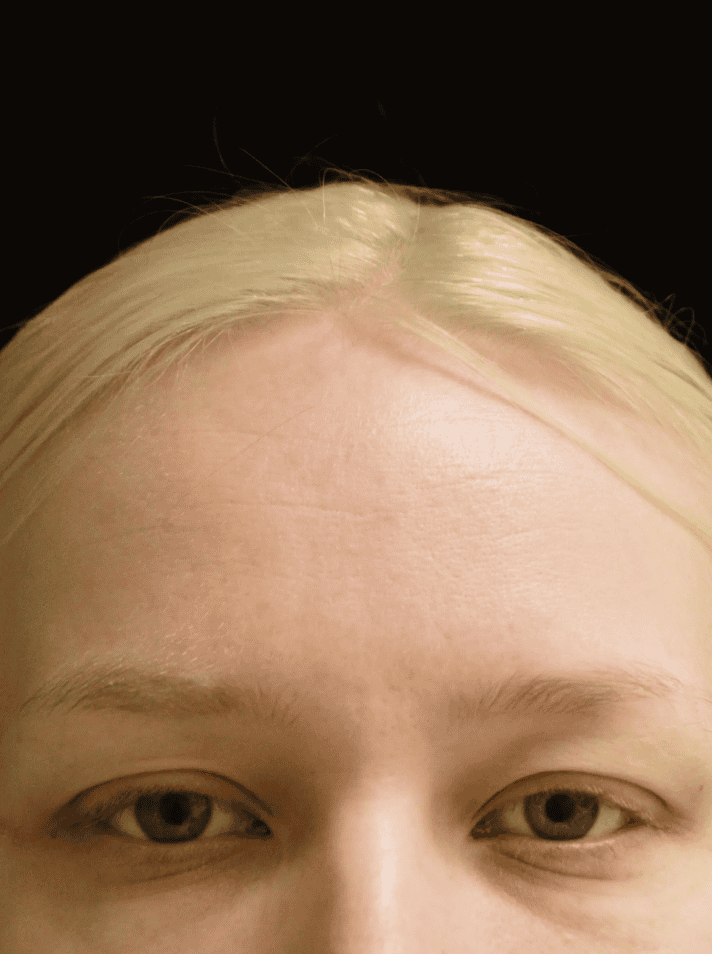
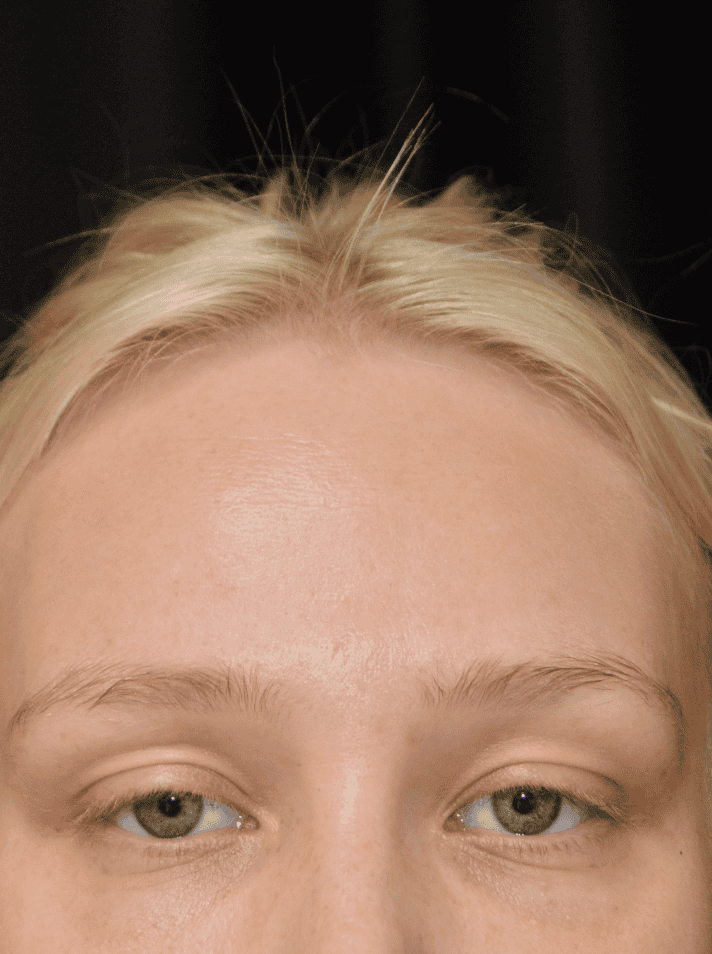
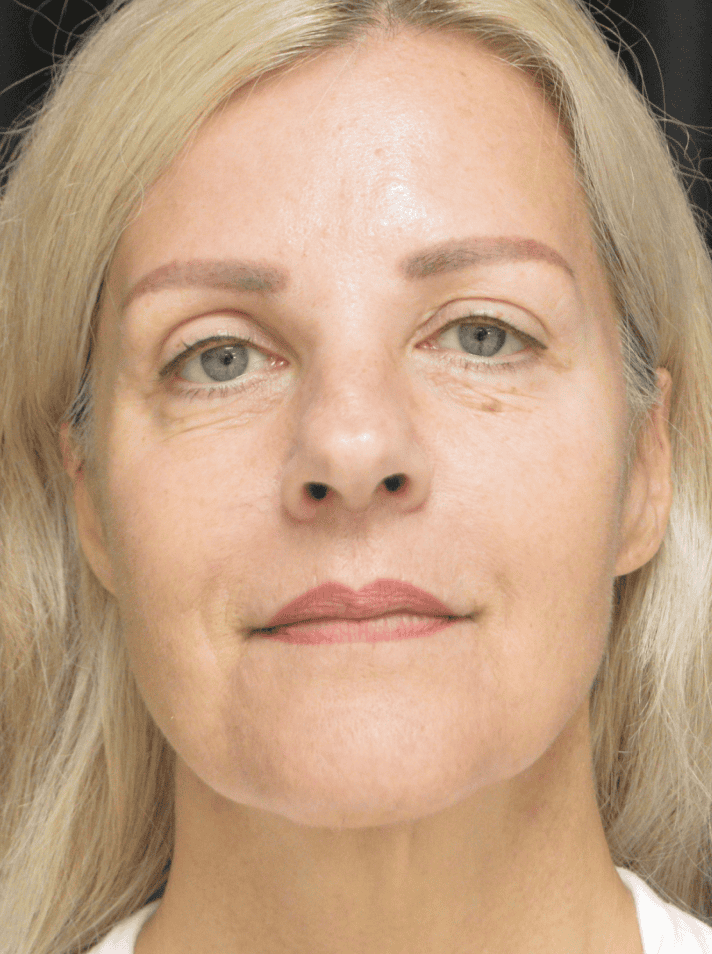
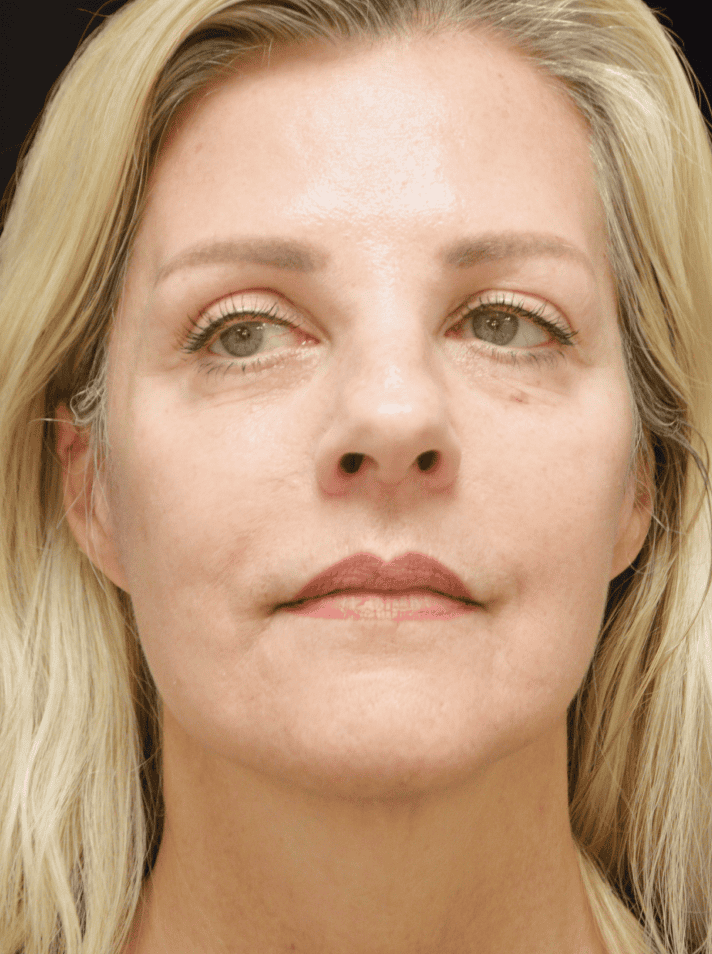
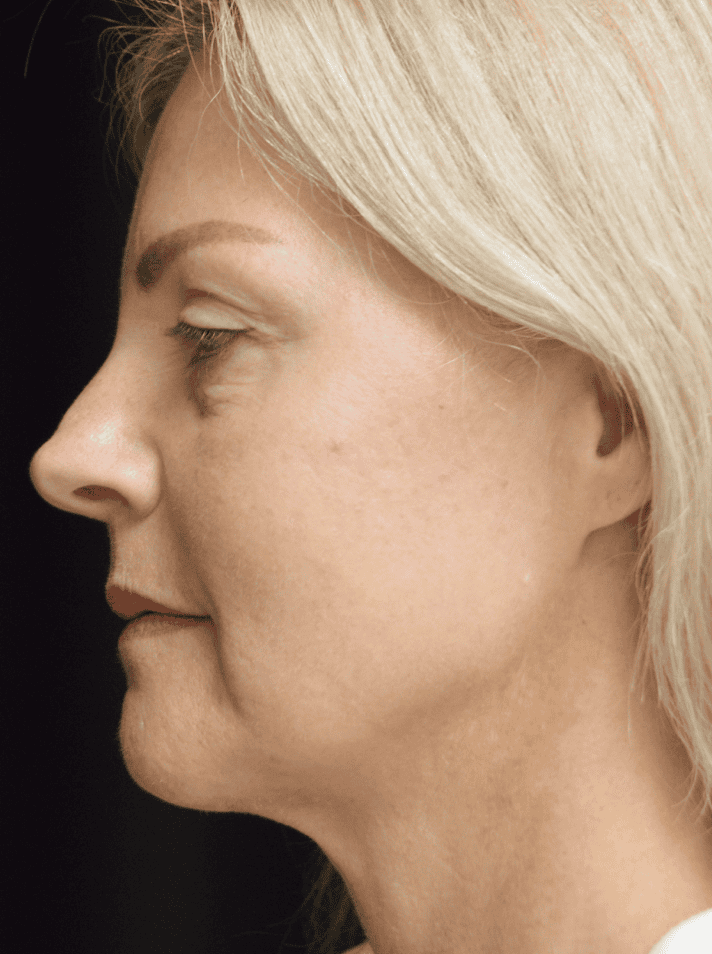
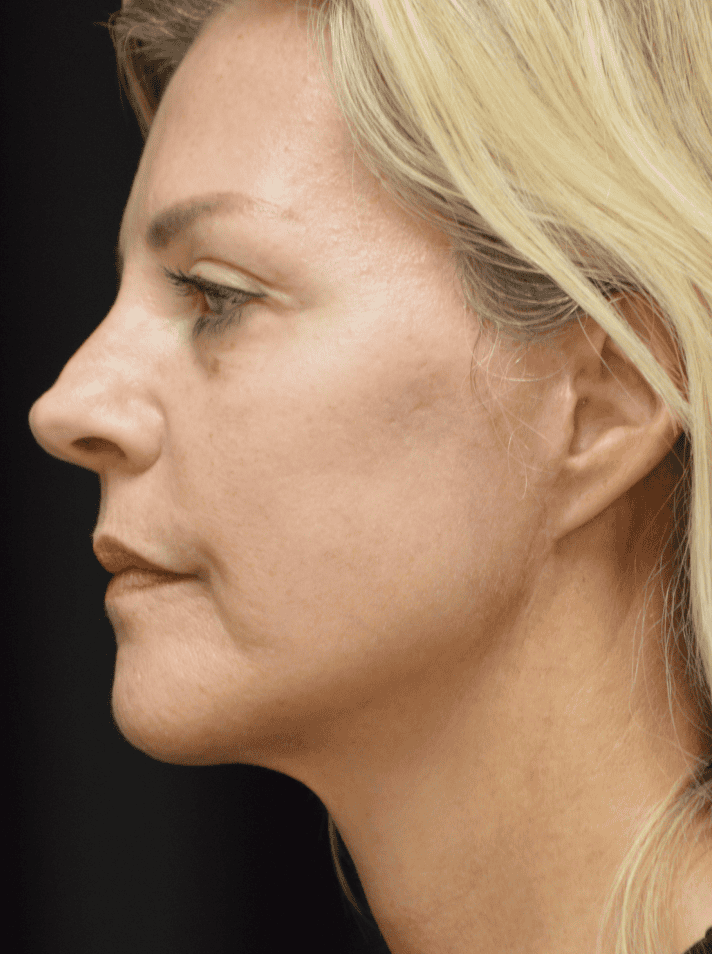
Endoscopic forehead lift – Woman – before (Front view)
Role model Role model
Endoscopic forehead lift – Woman – after 12 months (Front view)
After 12 months After 12 months
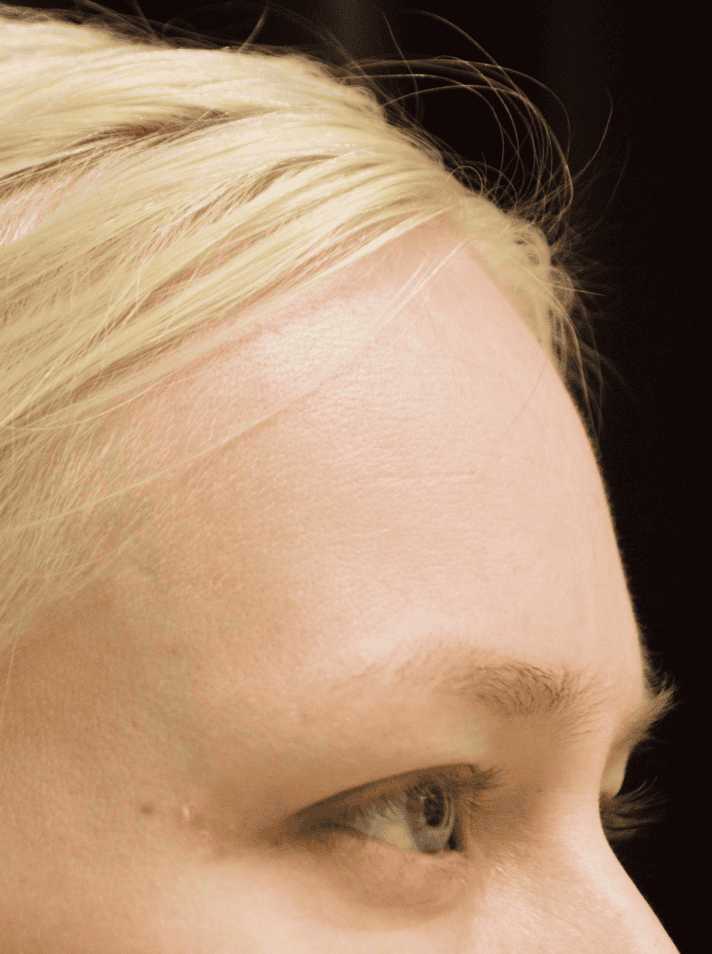
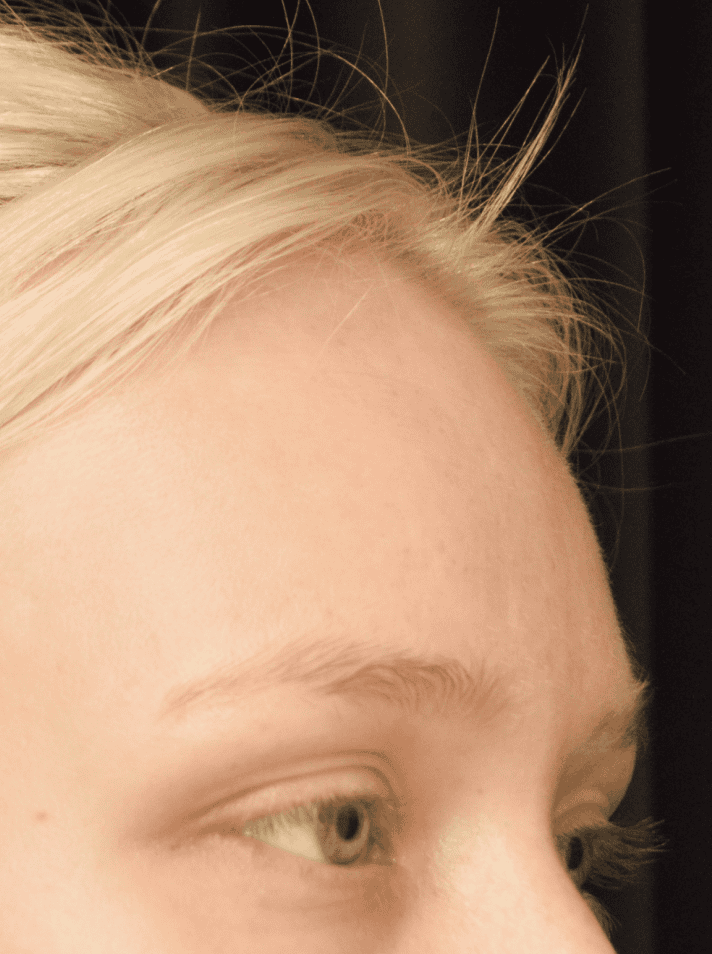
Endoscopic forehead lift – Woman – before (Profile)
Role model Role model
Endoscopic forehead lift – Woman – after 12 months (Profile)
After 12 months After 12 months
Mid-face lift – Woman – before (front view)
Role model Role model
Mid-face lift – Woman – after 12 months (Front view)
After 12 months After 12 months
Mid-face lift – Woman – before (Profile)
Role model Role model
Mid-face lift – Woman – after 12 months (Profile)
After 12 months After 12 months
Treatment

Facial surgery with Birgit Stark

"The face is our calling card to the outside world. It has so many different expressions; it’s so distinctive."

A facelift is designed to address issues that cannot be resolved with injections: sagging skin on the cheeks, a blurred jawline and a neck that has lost its firmness. It is the deeper layer beneath the skin, the SMAS, that is lifted, not the skin itself. The skin is then repositioned without being pulled tight, which is why a lift performed at the correct depth does not look like it has been surgically altered.

Facelift, neck lift or both
The cheeks and jawline are treated with a facelift, and the neck with a neck lift. They are often carried out in the same operation, as the tissue hanging down from the jawline rarely ends there. A mid-face lift is a minor procedure for the area under the eyes, and deep plane is a deeper lift in which the entire layer is moved in one piece. The most suitable technique depends on where the sagging is located and how much tissue needs to be moved.

This is how Birgit is planning the procedure
During the consultation, Birgit assesses the quality of the skin, how the tissue sits against the bone structure and how the face moves. A facelift does not restore lost volume, so it is sometimes combined with fat grafting or with blepharoplasty. She also explains what a facelift does not do. It does not remove fine lines, does not alter the skin’s texture and does not stop the ageing process.

For twenty years, she was in charge of surgery for facial paralysis at Karolinska University Hospital. Anyone who has spent twenty years operating on the facial nerve knows where its branches run, and it is precisely these that a facelift must avoid. She has also published on brow lifts in cases of paralysis, where the position of the eyebrow was measured before and after the operation.

Scars and where they are located
The incision begins at or near the hairline at the temple, follows the natural crease of the ear – sometimes extending slightly into the ear – and continues behind the ear into the hairline. In a neck lift, a short incision is sometimes made under the chin. The hairline is not moved, so the hair can be worn as usual. The scars are red for the first few months and fade over one to two years.

A woman shields her eyes from the sun with a hat and her hand, outdoors in clear weather.

Recovery week by week
Swelling and bruising are at their worst on days two to three. A supportive dressing is worn for the first week, and the stitches are removed after about a week. After two weeks, most people look presentable with make-up, and after three to four weeks they are back at work. Numbness in the cheeks and around the ears is normal and may persist for several months. Sleep with your head elevated for the first few weeks and wait four to six weeks before resuming exercise.


How long the results last
A facelift lasts for ten to fifteen years. The ageing process continues, but from a new starting point, and many people choose to maintain their appearance with minor procedures rather than having another facelift.


Read all about facelifts

Next available times

Book directly — updated from the calendar

Show more times

Films starring Birgit Stark

Birgit Stark

This is how a consultation with
Birgit Stark to

The consultation is always the first step. You discuss what you wish to achieve, and Birgit assesses your individual circumstances: skin quality, tissue, previous procedures and general health.

You’ll look at reference images together and go through the procedure step by step: how it’s carried out, what type of anaesthetic is used, what the healing process is usually like, and what complications may arise.

There is no set age for cosmetic surgery. What matters is the condition of your skin, the elasticity of your tissue and what you want to achieve – and it’s not possible to assess this in advance. Birgit will let you know if she thinks you should wait.

Following the consultation, you will receive a written quote. We will also book a second appointment free of charge, as most questions only arise once you’ve had time to think things through at home. If you decide not to proceed, that is just as valid a decision.

You can see Birgit for a consultation at both our clinics in Stockholm. She carries out operations at Hangövägen 20.

A close-up of a woman’s shoulder and arm in a blue sports bra.

Book one
consultation with
Birgit Stark

peace of mind
& warranties

To undergo an aesthetic surgical procedure, you need to be over 18 years of age and in good general health. During the consultation, a medical assessment of your conditions will be made. Smoking, active infection and certain diseases may make a procedure unsuitable at that time. All surgeries are performed in our own operating room with an anesthesiologist on site.

Funding
& Instalment payments

Many people choose to split the cost. We work with Svea Bank, where you apply with BankID and usually receive a decision the same day. The application is made after the consultation, when you know how much the procedure costs.

Transparency
& expectations

A surgical outcome can be planned but not guaranteed. Healing varies between individuals, and realistic expectations are the most important factor in whether you will be satisfied. Your surgeon is clear about what can be achieved, even when the response is not what you hoped for.

View all publications
Research

Publications by Birgit Stark

Area
Year

10 publications

  1. 01

    The Swedish Breast Implant Registry (BRIMP) — experience with 50,000 implants

    British Journal of Surgery · 2024
  2. 02

    Treatment Needs Following Peripheral Facial Palsy

    Otology & Neurotology · 2024
  3. 03

    A comparison of 200,000 breast implants and 85,000 patients across four national breast implant registries

    Plastic and Reconstructive Surgery · 2023
  4. 04

    Secondary Breast Reconstruction in Patients Who Have Undergone Radiotherapy

    Plastic and Reconstructive Surgery · 2023
  5. 05

    Considerations on the Demographics of BIA-ALCL in European Countries

    Aesthetic Plastic Surgery · 2021
  6. 06

    Management of Diastasis of the Rectus Abdominis Muscles

    Scandinavian Journal of Surgery · 2021
  7. 07

    Surgical Training and Standardised Management Guidelines Reduced the 30-Day Complication Rate Following Abdominoplasty

    World Journal of Surgery · 2018
  8. 08

    The Telemark Breast Score

    Plastic and Reconstructive Surgery · 2016
  9. 09

    Surgical correction of abdominal rectus diastasis reduces pain and improves abdominal wall muscle strength

    Surgery · 2016
  10. 10

    The rationale for forehead lifts in patients with chronic facial paralysis

    European Journal of Plastic Surgery · 2013
View all publications

Latest news

FAQ

Q&A with Birgit Stark

Here are the answers to the questions patients most commonly ask before undergoing treatment with Birgit.

Consultation

How do I know I’ve chosen the right surgeon?

Check three things. That the surgeon holds a specialist qualification in plastic surgery from the National Board of Health and Welfare, not just a medical licence. That the procedure is carried out regularly and not just as a side activity. And that you are told what could go wrong, not just what could go right.

It is the same advice Birgit gave as Chair of the Swedish Society for Aesthetic Plastic Surgery: to verify registration and specialist qualifications with the National Board of Health and Welfare, and to check previous complaints with IVO. She is currently one of the plastic surgeons commissioned by the National Board of Health and Welfare to assess whether other doctors meet the requirements for specialist competence.

I’ve developed drooping eyelids after having Botox. Could surgery help?

No, and there’s no need. A drooping eyelid after Botox treatment This is because the medication has affected a muscle for which it was not intended. The effect wears off on its own, usually within four to eight weeks. Surgery is never the answer, and a reputable surgeon will advise against it.

Will the region cover the costs if my field of vision is affected?

Occasionally. Severely drooping upper eyelids that obstruct the field of vision may be deemed medically justified, in which case different rules apply to those for cosmetic surgery. This assessment is carried out by the regional health authority, not by us, and requires a field-of-vision examination. If you suspect this applies to you, it is worth seeking medical advice via 1177 first.

Do I need to have made up my mind before I book a consultation?

No. Many people book an appointment precisely to find out what is possible. You’ll receive a medical assessment, a written quote and a second consultation free of charge before you need to make a decision.

How much does eyelid surgery cost?

Upper eyelid surgery from 34,900 SEK and lower eyelid surgery from 44,900 SEK. If both procedures are carried out at the same time, you will receive a combined price. You will always receive a written quote following your consultation, and the price includes anaesthesia or local anaesthetic, the operating theatre and follow-up appointments. See price list for all procedures.

Could Birgit advise against a procedure I want to have done?

Yes, and that does happen. If the risk is too high, or if the expectations cannot be met through surgery, she’ll say so. As she wrote in The Medical Journal: Doctors are, first and foremost, doctors, not sellers of consumer services.

Where can I meet Birgit?

You can book a consultation with her at both of our clinics in Stockholm. She carries out operations at Hangövägen 20.

Before your procedure

What do I need to do before the operation?

You will receive written instructions well in advance of the procedure. This is usually included.

Medicines. Blood-thinning medication often needs to be paused or adjusted, but never on your own. This should be done in consultation with Birgit and, if necessary, with your GP. Even over-the-counter painkillers containing acetylsalicylic acid and ibuprofen increase the risk of bleeding and are usually stopped about a week beforehand.

Dietary supplements. Omega-3, ginger, garlic supplements, ginkgo and vitamin E can also affect your tendency to bleed. Bring a list of everything you are taking to your consultation, including anything you might not think of as a medicine.

Smoking. Nicotine impairs blood circulation in the skin and thus the healing process. The longer you abstain before and after the operation, the better the outcome. This also applies to snus and nicotine replacement therapy.

Alcohol. Avoid alcohol in the days leading up to the procedure. On the day of the operation, please arrive without make-up, bring sunglasses and make sure someone is available to take you home. If the procedure is carried out under general anaesthetic, you must fast from midnight. The instructions will vary depending on the type of procedure you are having.

Can I have an operation if I’m taking blood-thinning medication?

Usually, yes, but it requires planning. Blood-thinning medication increases the risk of bleeding during and after the procedure, and around the eyes there is very little margin for error as the tissue is thin.

How this is handled depends on the reason you are taking the treatment. For some conditions, it is possible to stop taking the medicine for a few days; for others, the risk of stopping is greater than the risk of bleeding. Birgit makes this assessment together with the doctor who prescribed the medicine — you should never make this decision yourself.

Please bring a complete list of your medicines to the consultation, so that the matter can be assessed there. Sometimes this means that the procedure will be rescheduled, and sometimes it means that it is not appropriate at this time.

The day of the operation

Am I awake during eyelid surgery?

In the case of upper eyelid surgery, usually yes. The procedure is carried out under local anaesthetic, which means you are awake but do not feel any pain. You will feel touch and pressure, but you will not feel any pain. Your eyes are covered during the procedure so you cannot see what is happening.

Lower eyelid surgery is technically more complex and is more often carried out under general anaesthesia or with sedatives in addition to a local anaesthetic. The same applies if surgery is performed on both the upper and lower eyelids at the same time.

Many people worry more about being awake than about the procedure itself. If you feel uncomfortable, please let us know at the consultation, and we will go through the options available in your particular case. General anaesthesia is always used for major procedures such as breast or abdominal surgery.

How long will I have to stay at the clinic after eyelid surgery?

Allow for about half a day for upper eyelid surgery under local anaesthetic. The procedure itself takes about an hour, and on top of that there is preparation, marking and a short rest afterwards.

If the procedure is carried out under general anaesthetic, it will take longer, as you will need to wake up fully and be able to eat and drink before you are discharged. In that case, you should set aside the whole day.

You will go home the same day, but you must not drive yourself. Arrange for someone to collect you, preferably someone who can be at home for the first 24 hours. For more extensive procedures, different procedures apply, and you will be informed of these in advance.

After the operation

Does eyelid surgery hurt?

Most people describe it as a sensation of tightness, itching and irritation rather than pain. The discomfort is at its worst during the first 24 hours and then subsides rapidly. Dry eyes and sensitivity to light are common during the first few weeks and are caused by a temporary change in blinking patterns.

You will be given pain relief and written instructions to take home with you, and most people manage fine with over-the-counter medicines. However, sharp or worsening pain is not to be expected. Please get in touch with us if this occurs.

If you are considering a different procedure, Birgit will go through what you can expect during the consultation, as there are significant differences between various operations.

When can I start wearing make-up and contact lenses again after eyelid surgery?

You’ll need to wait until the stitches have been removed and the wounds have healed – usually after about two weeks – before using eyeshadow, eyeliner and mascara. You can use foundation and powder on the rest of your face sooner, as long as you keep them away from your eyelids. Mineral make-up is the gentlest option to start with.

Contact lenses can usually be worn again after one to two weeks, but your eyes will feel drier than usual for a while, and many people find that glasses are more comfortable during the first few weeks. Do not put your contact lenses in if your eyelid is still swollen.

It’s a good idea to have sunglasses with you from the day of your operation. They protect against light and wind, and help you feel more comfortable outdoors before the swelling has gone down.

What should I bear in mind at home after major surgery?

Tell your family. Some people prefer to keep an operation to themselves, but Birgit’s experience is that things go more smoothly when those at home know what’s happening and can lend a hand. For the first few weeks after major surgery, you won’t be able to lift heavy things, use the hoover or hang out the washing. Divide up the chores in advance.

You should also bear in mind that it takes time for your body image to catch up. You’ve lived with a certain image of yourself for a long time, and it’s common to be a bit surprised the first time you look in the mirror. It will pass.

Recovery and healing

What will I look like a week after eyelid surgery?

Swelling and bruising are at their worst on days two to three and subside significantly during the second week. After a week, the stitches have usually been removed, but some discolouration may remain; this can be covered with make-up once the wounds have healed. Most people feel presentable after about two weeks. Expect it to take longer than you might hope, particularly with lower eyelid surgery.

What complications can arise from eyelid surgery?

Dry eyes are the most common complication and usually resolve on their own. Uneven swelling between the two sides during healing is normal. A less common but more serious complication is the removal of too much skin, which can prevent the eye from closing completely. With lower eyelid surgery, there is a risk that the edge of the eyelid may be pulled downwards. Both of these are reasons why it is better to remove too little rather than too much. Bleeding behind the eye is very rare but requires emergency treatment, and you will be given instructions on what to look out for.

How visible are the scars?

On the upper eyelid, the incision is made in the natural crease and becomes difficult to see once it has healed. The scars are most visible during the first few months and mature over the course of one to two years. How scars heal is partly hereditary and cannot be predicted with complete certainty.

Follow-up and results

How will I be monitored following eyelid surgery?

The first follow-up appointment takes place about a week after the operation, when the stitches are removed and Birgit checks that the wound is healing as it should. A second appointment is usually scheduled a month or so later, once the worst of the swelling has subsided.

You will then be monitored until the results have stabilised, which takes around three to six months for the eyelids. The number of appointments will depend on how the healing progresses.

Between appointments, please get in touch if anything feels wrong. You don’t need to wait until your next booked appointment to get in touch, and it’s always better to ask once too often.

How long do the results of an eyelid lift last?

An upper eyelid lift often lasts for ten to fifteen years. Lower eyelid surgery rarely needs to be repeated. The face continues to age, but does so from a different starting point.

What happens if I’m not satisfied?

Contact us. The follow-up visits are free of charge throughout the first year, with both the nurse and the surgeon, and you can book an extra check-up whenever you want. The final result is usually only visible after six to twelve months, so after six months your surgeon will make an initial assessment of how the result compares to what you planned.

If the expected result has not been achieved, a correction may be necessary. It is free of charge if you contact us no earlier than six months after the operation, so that it can be done within twelve months. In the case of nose surgery, twelve and eighteen months apply. This applies to the original procedure, not an extension of it, and not changes that occur later due to aging, pregnancy or major weight changes. The surgeon decides whether a correction is appropriate and what is included.

If you and your surgeon disagree on the result, the matter will be raised to the clinic conference, where all surgeons at The Faculty make a joint assessment. The Faculty is registered with IVO and have patient insurance with Folksam, and you can always contact the patient committee in your region.

How long do breast implants last, and do they need to be replaced?

There is no expiry date on a breast implant. As long as you are not experiencing any problems, there is no need to have it replaced, and this is the view shared by the Swedish plastic surgery associations. What matters is how you feel and how the implant is sitting, not how many years have passed. Reasons for replacing them might include wanting to change the size or shape, or if another procedure is due anyway and it makes more sense to have everything done at once rather than undergoing two separate operations. Birgit founded the Swedish Breast Implant Register, which tracks around 60,000 implants. It is from there knowledge of how implants behave over time is coming.

How common is it to need revision surgery for breast implants?

There are Swedish figures, as Birgit set up the national breast implant register. Among the first 50,000 registered implants Fewer than 0.1 per cent required reoperation within 60 days of cosmetic surgery, and fewer than 2 per cent due to capsular contracture within seven years. Taking all causes into account, around 3.5 per cent of Swedish patients underwent a repeat operation within two years of a breast augmentation.
Is Birgit having surgery for rectus diastasis?

Yes. She co-wrote it the recommendations In accordance with the Swedish national guidelines for rectus diastasis, i.e. separated abdominal muscles. These guidelines state that exercise for at least six months must always be tried first, and that surgery is considered in cases of functional symptoms, a diastasis of at least five centimetres, and no sooner than two years after the most recent childbirth. If you do not meet these criteria, she will tell you so. The procedure is usually carried out as part of a abdominoplasty.

thefaculty logo

The Evolution of You, Guided by Science